Commercial Cleaning Guide: Best Practices Every Business Should Follow
Maintaining a clean commercial space isn’t just about appearances — it’s about hygiene, productivity, safety, and professionalism. Whether you run an office, retail store, or large facility, a structured commercial cleaning routine keeps your space inviting and healthy for employees, customers, and visitors.
1. Start with a Solid Cleaning Schedule
A cleaning schedule ensures every area gets the care it needs without chaos.
Daily tasks
-
Disinfect high-touch surfaces like door handles, light switches, desks, and shared equipment.
-
Empty trash and replace liners regularly.
-
Clean commonly used spaces such as kitchens, restrooms, and break rooms
Weekly tasks
-
Vacuum and mop floors.
-
Dust vents, blinds, shelves, and baseboards.
Monthly or periodic tasks
-
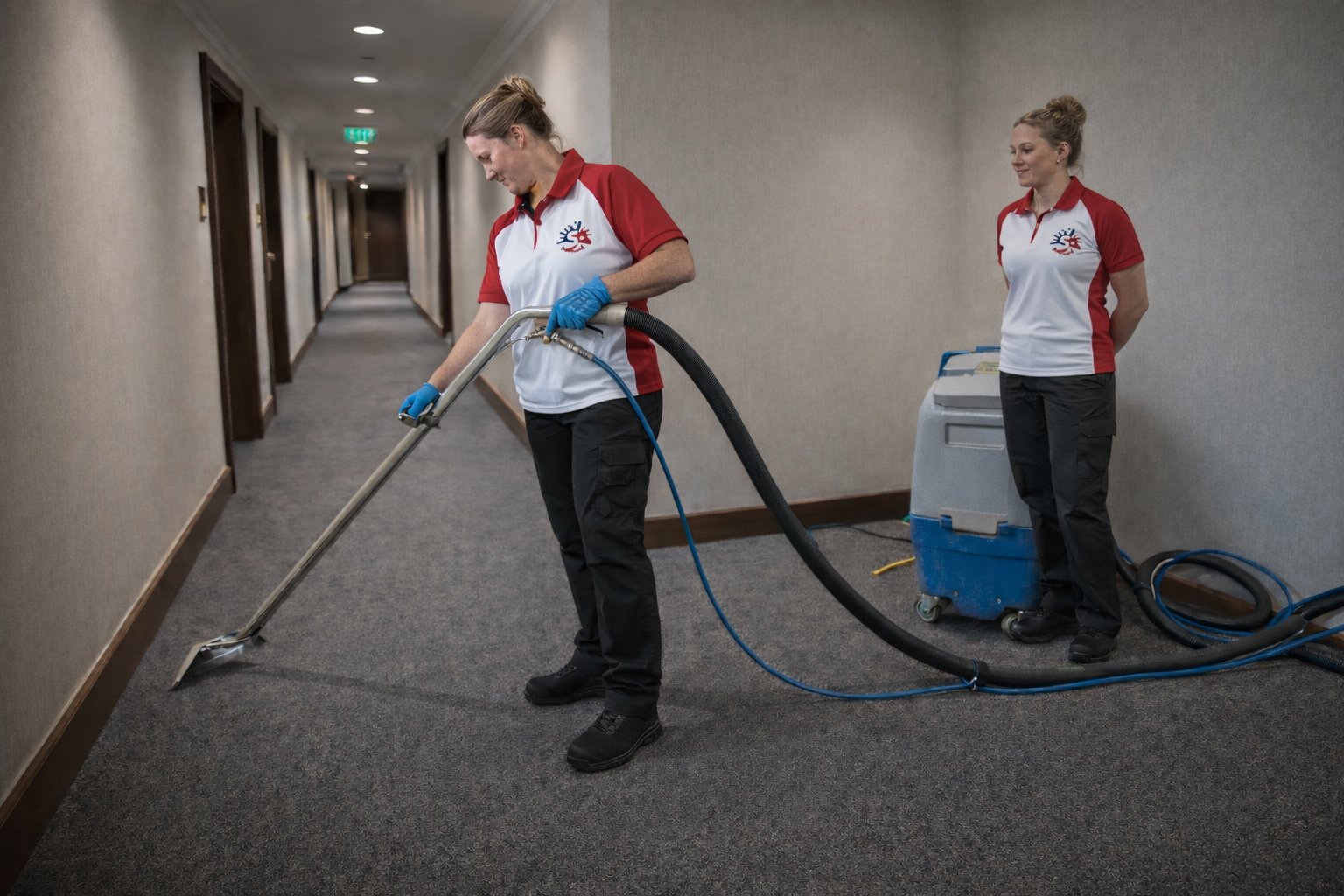
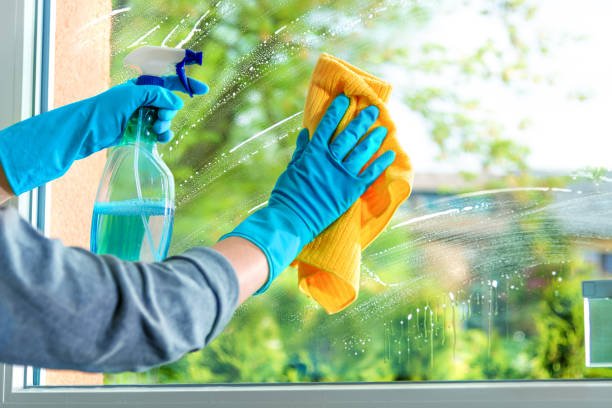
Deep clean carpets, windows, and upholstery.
-
Inspect hidden or hard‑to‑reach areas for accumulated dirt.
Consistency in scheduling prevents hidden grime and bacteria build‑up, which can affect air quality and overall hygiene.
2. Focus on High‑Touch and High‑Traffic Zones
Some areas get more action than others — and more dirt too.
-
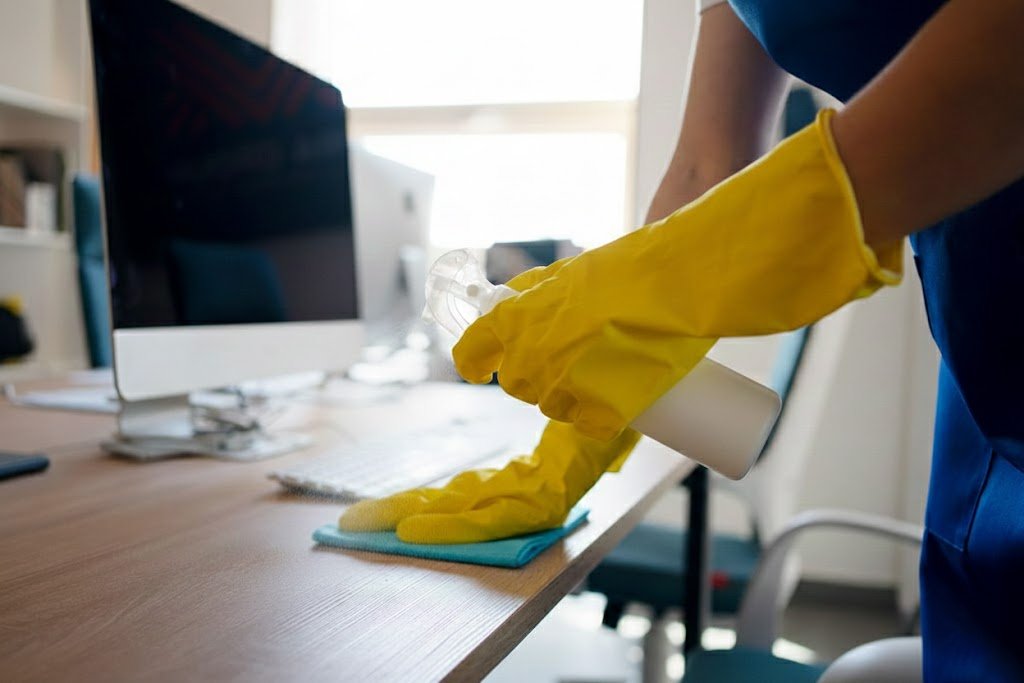
High‑touch points like push plates, handrails, keyboards, and phones should be disinfected daily to limit germ spread.
-
High‑traffic areas such as lobbies and corridors require more frequent vacuuming and mop passes to manage visible dirt and wear.
Prioritizing these spots keeps both hygiene and impressions high.
3. Train Your Cleaning Team Well
Even with the best tools and schedule, cleaning won’t be effective without proper training.
-
Teach team members about correct product usage, including safe disinfectants and surface‑specific cleaners.
-
Cover safety procedures for handling chemicals and protective gear like gloves and masks.
-
Use colour‑coded cloths or tools to prevent cross‑contamination between areas.
A trained crew delivers consistent, high‑quality results.
4. Choose the Right Tools and Products
Not all cleaners are equal — especially in commercial spaces.
-
Use EPA‑approved or hospital‑grade disinfectants for high‑traffic areas.
-
Match cleaning products to surface types to avoid damage (e.g., pH‑neutral cleaners for stone).
-
For electronics and delicate equipment, use electronics‑safe wipes or lightly damp microfiber cloths.
Good products help reduce germs without harming surfaces or people.
5. Maintain Waste Management and Hygiene Stations
Trash and hygiene go hand in hand.
-
Make waste collection a daily part of your routine, especially where food is consumed.
-
Place hand hygiene stations around entrances and communal areas to encourage frequent handwashing or sanitizing.
-
Proper segregation of waste (recycling, compost, general rubbish) improves cleanliness and environmental responsibility.
These simple steps help keep odours, pests, and bacteria at bay.
Final Thoughts
Effective commercial cleaning is about thoughtful routines, attention to detail, and using the right products. A cleaner workplace isn’t just nicer to look at — it’s healthier, safer, and boosts productivity too. By adopting these best practices, your business can maintain a professional, welcoming environment every day.