
Common Residential Cleaning Services Mistakes That Damage Your Home
Keeping your home clean is about more than appearance. It protects your flooring, fixtures, and long-term property value. Yet many Australians underestimate how easy it is to cause accidental damage with the wrong products or methods.
Small cleaning mistakes compound to expensive repairs and loss of property value. That is why understanding the importance of residential cleaning is essential for any homeowner or property manager.
Why Mistakes in Residential Cleaning Services Cost Homeowners More Than They Realise
Cleaning your home might seem like a straightforward task. But using the wrong products, techniques, or cutting corners can do more harm than good to the surfaces and finishes you value most.
What looks like a “quick clean” can quietly shorten the life of timber floors, stone bench tops, grout lines, and finishes if done incorrectly.
The Hidden Damage Poor Cleaning Practices Cause in Australian Homes
Even though many people think any cleaner will do the job, most householders don’t read product labels carefully before use. Using inappropriate or overly harsh chemicals increases the risk of surface damage and premature wear.
Home surfaces such as closed-grain timber, natural stone, or high-gloss laminates are designed to be durable, but they can be sensitive to pH, abrasives, and strong solvents. A poor choice of product or method can strip protective coatings, dull finishes, or even react chemically with the material, resulting in costly repairs or replacement.
Being aware and deliberate about what products go where protects both the finish and your investment in the home.
High-Risk Areas: Timber Floors, Stone Benchtops, Grout, and Stainless Steel
These surfaces are particularly prone to damage from improper cleaning:
-
Timber floors with delicate finishes that can be etched or warped by water and harsh cleaners
-
Natural stone bench tops, like marble or granite, that etch under acidic substances
-
Grout lines that deteriorate when overly scrubbed or cleaned with inappropriate products
-
Stainless steel appliances and fixtures scratched by abrasive pads orthe wrong cleaners
When it’s Smarter to Hire Professional Cleaning Services Instead of DIY
The Australian Household Cleaners Market was valued at AUD 1.078 billion in 2024, and is projected to reach AUD 1.33 billion by 2030. Professional cleaners make a difference in high-risk areas because they:
-
Use surface-specific products tailored to each material’s needs
-
Follow manufacturer instructions to avoid pH imbalance or chemical damage
-
Apply correct dilution and application methods every time
-
Reduce the chance of expensive surface repairs later
The Most Common Cleaning Mistakes that Damage Your Home
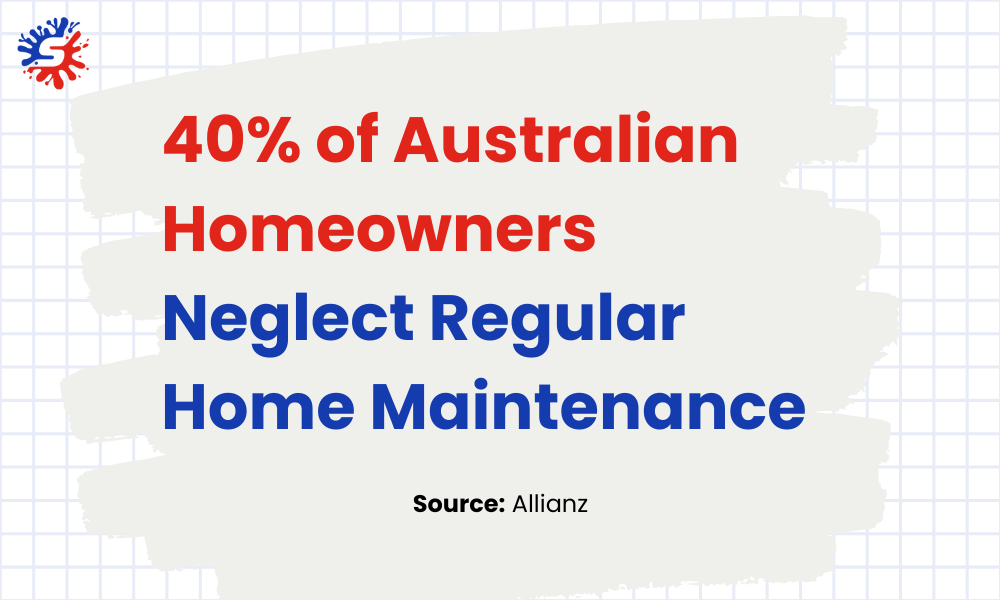
Now that we’ve looked at how poor cleaning practices can quietly cost you money, it helps to understand exactly where things go wrong. 40% of Australian homeowners neglect regular home maintenance.
Many common mistakes happen during routine weekly cleans, not just during major deep cleans.
Using the Wrong Chemicals on Stone, Timber, and Delicate Surfaces
One of the biggest risks in residential cleaning is using a product that is too strong, too acidic, or not designed for the surface. Natural stone, such as marble and limestone, is particularly vulnerable. Acidic cleaners can cause etching within minutes, permanently dulling the surface.
Timber flooring also suffers when exposed to high-alkaline or overly wet cleaning solutions. Excess moisture can seep into joins and edges, causing swelling, cupping, and long-term structural damage. Using surface-specific, pH-appropriate products is essential to protect finishes and warranties.
Over-Wetting Floors and Skipping Proper Drying Techniques
Water damage often comes from good intentions but poor technique. Here is how the problem typically unfolds:
-
A heavily soaked mop is used on timber or laminate flooring
-
Water pools along edges, skirting boards and joins
-
The floor is left to air dry without proper ventilation
-
Moisture penetrates seams and underlays
-
Boards swell, lift or cup over time
Abrasive Tools on Glass, Cooktops, Tapware, and Appliances
Before scrubbing any hard surface, check the tools you are using.
Quick checklist to avoid scratching and dulling:
-
Avoid steel wool or harsh scouring pads on glass and stainless steel
-
Do not use powder cleaners on ceramic cooktops
-
Skip magic eraser-style products on glossy finishes unless approved
-
Always test new tools in an inconspicuous area first
-
Use microfibre cloths for general wiping
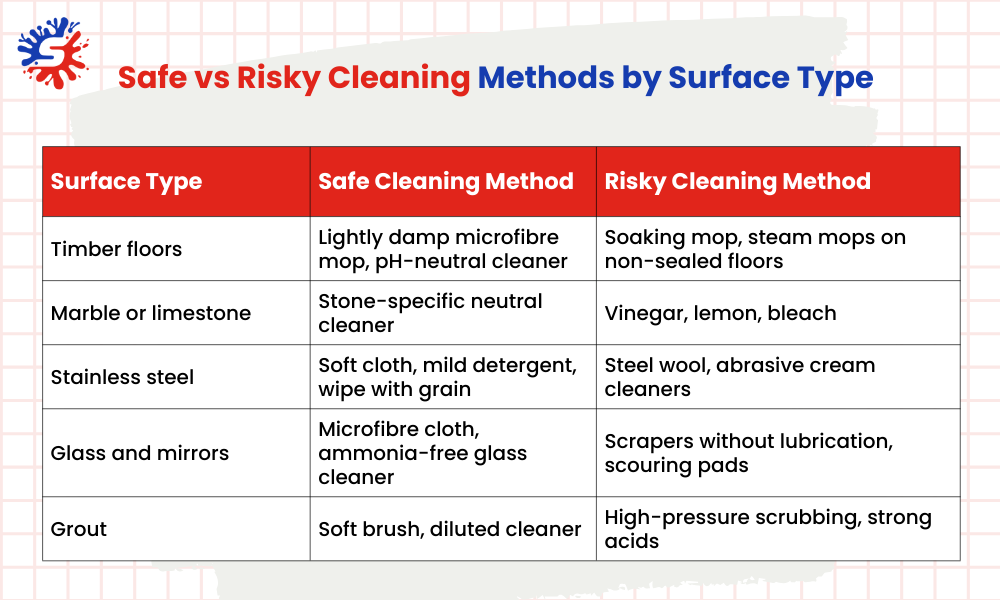
Safe vs Risky Cleaning Methods by Surface Type
Small technique changes make a major difference. Getting it right protects your finishes, reduces repair costs, and keeps your home looking its best for years.
What Quality Residential Cleaning Services Should Include
Understanding what is included in a professional clean helps you compare quotes properly and avoid disputes later. A clear scope protects both your home and your budget.
Standard Inclusions in a Professional Residential Clean
A quality residential cleaning service should cover routine hygiene, high-touch surfaces, and general presentation without overpromising specialist restoration work.
|
Area |
Typical Standard Inclusion |
Notes |
|
Kitchen |
Wipe benchtops, cupboard fronts, splashback, clean sink and tapware, and the exterior of appliances |
Internal oven cleaning is often extra |
|
Bathrooms |
Clean shower screens, tiles, vanity, toilet, mirrors |
Grout restoration not included |
|
Living Areas |
Dust surfaces, wipe skirting boards, vacuum, and mop floors |
Moving heavy furnitureis excluded |
|
Bedrooms |
Dust surfaces, vacuum floors, wipe reachable surfaces |
Inside wardrobes are usually on request |
|
General |
Empty bins, wipe light switches, and high-touch areas |
Wall washing is usually excluded |
Optional Add-Ons that Protect High-Wear or High-Risk Areas
Add-on services are not just upsells. They are often protective measures for surfaces that require extra care or deeper treatment.
|
Add-On Service |
Why it Matters |
Best For |
|
Deep clean |
Targets built-up grime in kitchens and bathrooms |
Pre-sale or seasonal resets |
|
Oven interior clean |
Removes heavy grease safely |
High-use kitchens |
|
Carpet steam cleaning |
Extracts embedded dirt and allergens |
Homes with pets or kids |
|
Window cleaning |
Removes build-up without scratching glass |
Multi-storey homes |
|
Stone surface treatment |
Applies protective sealant |
Marble or limestone benchtops |
Scope Clarity: How a Detailed Inclusions List Prevents Damage and Disputes
Vague quotes often lead to rushed work or inappropriate methods being used to meet expectations. When inclusions are clearly documented, cleaners know exactly what products and techniques are required for each surface.
A clear scope also protects homeowners. It prevents assumptions, such as steam-mopping delicate timber floors or using strong degreasers on natural stone without approval.
DIY vs Professional Residential Cleaning Services
At first glance, DIY cleaning seems cheaper. You already own some products and tools, so it feels like you are saving money. But when you factor in time, equipment quality, surface risk, and long-term repair costs, the comparison becomes more complex.
When DIY Cleaning Is Reasonable (Time, Tools, Experience)
DIY cleaning can work well in certain situations:
-
You are maintaining surfaces regularly and preventing build-up
-
You understand which products are safe for timber, stone, and stainless steel
-
You have quality microfibre cloths, correct mops, and surface-specific cleaners
-
The home is in good condition with no heavy staining or damage
-
You have time to clean thoroughly without rushing
When Hiring Professionals Prevents Long-Term Repair Costs
Professional cleaning services in Sydney become the smarter option when:
-
You have natural stone, polished timber, or delicate finishes
-
There is built-up grime requiring a deep clean
-
The property is being prepared for sale or end of lease
-
You manage a rental and want consistent standards
-
Time constraints increase the risk of rushed or incorrect cleaning
Cost Drivers Explained: Home Size, Condition, Frequency, Special Surfaces
|
Cost Factor |
How It Affects Pricing |
Risk if Ignored |
|
Home size |
Larger homes require more labour hours |
Rushed cleaning increases damage risk |
|
Surface condition |
Heavy build-up requires deeper treatment |
Harsh scrubbing may be used incorrectly |
|
Cleaning frequency |
Regular services reduce build-up |
Infrequent cleaning increases wear |
|
Special surfaces |
Stone, timber, and glass need specific methods |
Incorrect chemicals can cause permanent damage |
How to Choose Safe and Reliable Cleaning Services
Not all cleaning services follow the same standards. The difference often comes down to product knowledge, clear scope, and proper insurance. Taking a few minutes to assess a provider properly can help protect your home from avoidable damage and unexpected costs.
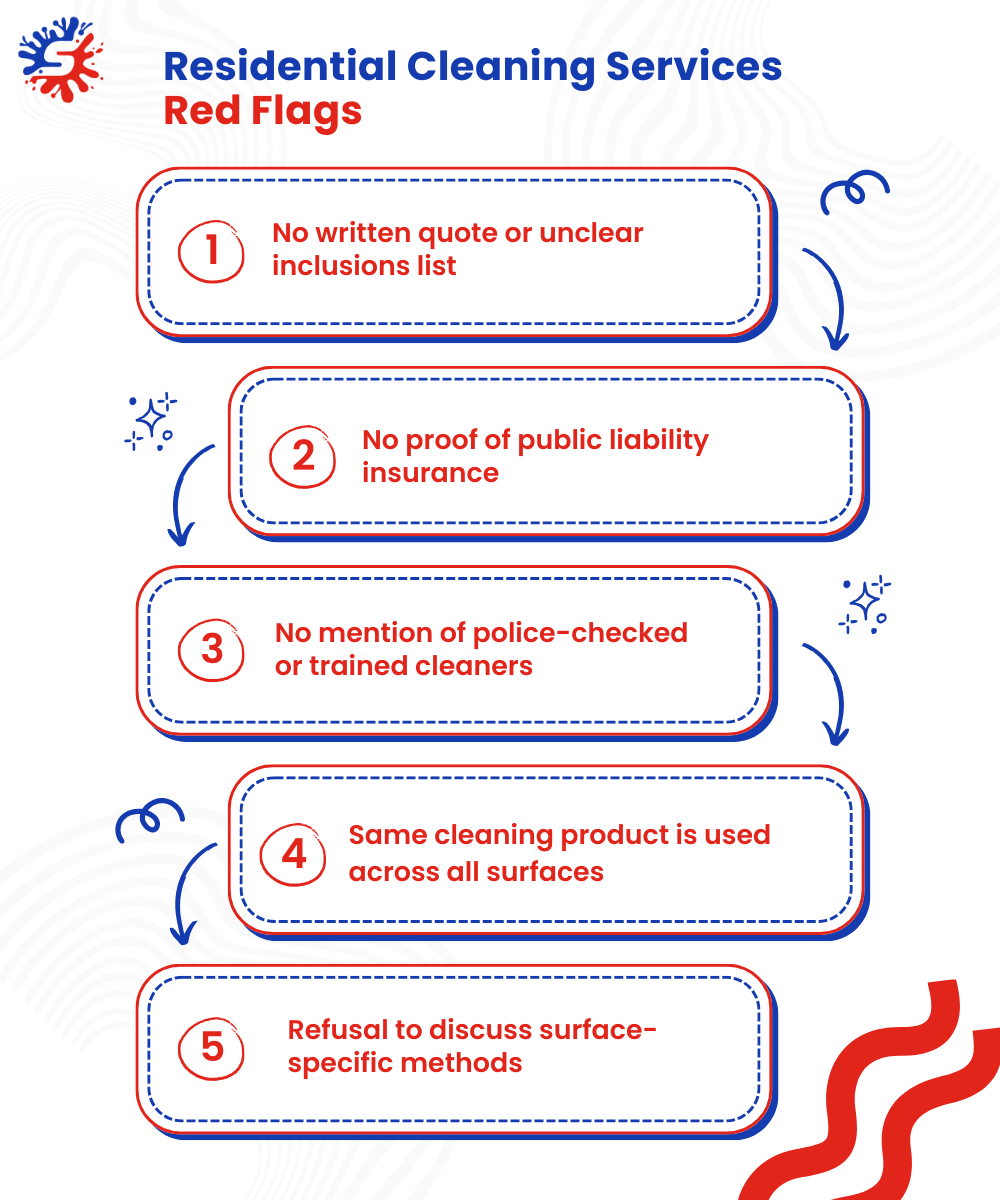
Red Flags: Vague Quotes, No Insurance, One-Size-Fits-All Products
If a company cannot clearly explain what they are using and why, that is a concern. Watch out for these warning signs:
Questions to Ask Before You Make a Booking
Clear answers show professionalism and reduce your risk. Use this checklist before confirming a booking:
-
What products do you use on stone and timber surfaces?
-
Are your cleaners trained in surface-specific methods?
-
Do you carry public liability insurance?
-
Can I see a detailed list of inclusions?
-
How do you handle accidental damage?
-
Are SDS documents available if requested?
Quote-Readiness Checklist: Information to Provide for Accurate Pricing
Providing the right details helps you receive an accurate, surface-specific quote:
-
Property type and size
-
Flooring types in each area
-
Presence of natural stone or delicate finishes
-
Current condition and level of build-up
-
Required frequency of service
-
Any known problem areas
Professional residential cleaning services are not simply a convenience. When done properly, they help extend the life of high-value finishes and reduce long-term maintenance expenses. Clear scope, correct products, and trained cleaners all make a measurable difference.
If you are unsure whether your current cleaning approach is protecting or harming your home, it’s time to review your plan. Get a tailored quote today, or speak with our specialist about high-risk areas in your property. Our detailed strategy ensures the right products and methods are used from the start.