Sick Days Cost More than Professional Office Cleaning in Sydney
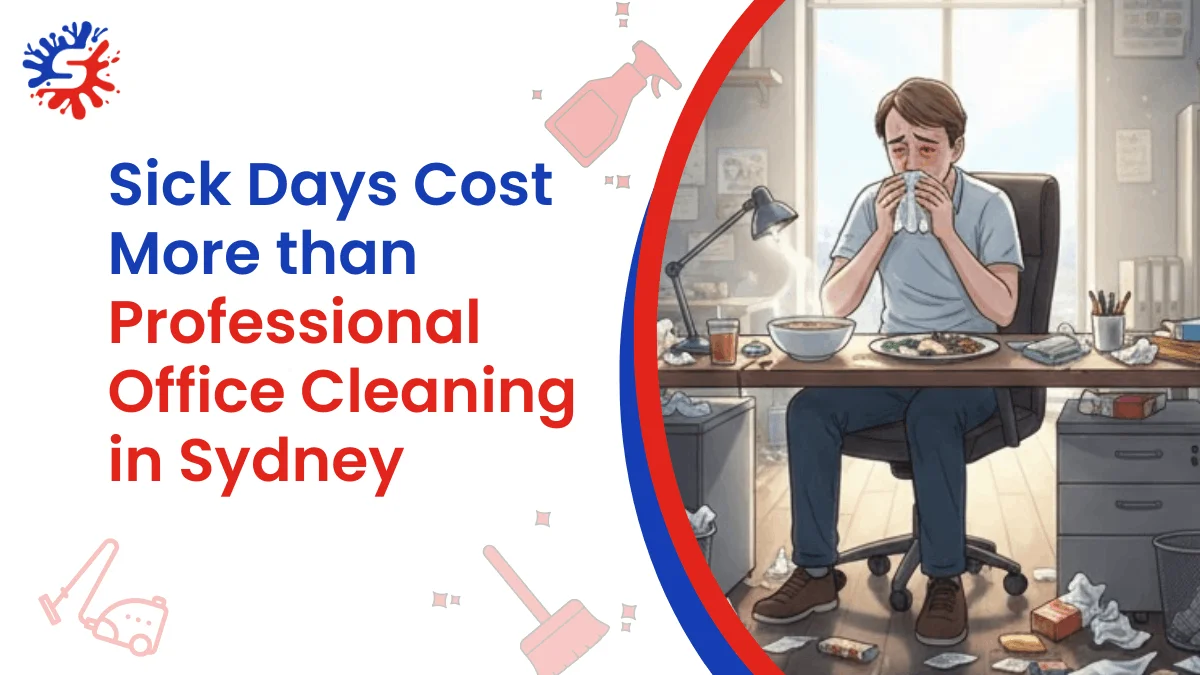
Sick leave has a measurable impact on the bottom line of Sydney businesses, big and small. A contamination in the workplace can spread within 2 to 4 hours, infecting 40% to 60% of employees and visitors.
Understanding why sick days are expensive helps you make better investment decisions about workplace health, hygiene, and operational continuity. Beyond direct wage costs, absenteeism strains teams and weakens performance across departments.
Why Sick Days are Quietly Draining Your Business Budget
When one team member calls in sick, it may feel routine or small, but the real financial impact on your business adds up fast. Absenteeism and its hidden side effects ripple through productivity and morale, costing far more than just a day’s wages.
The Compounding Effect of Just One Sick Employee
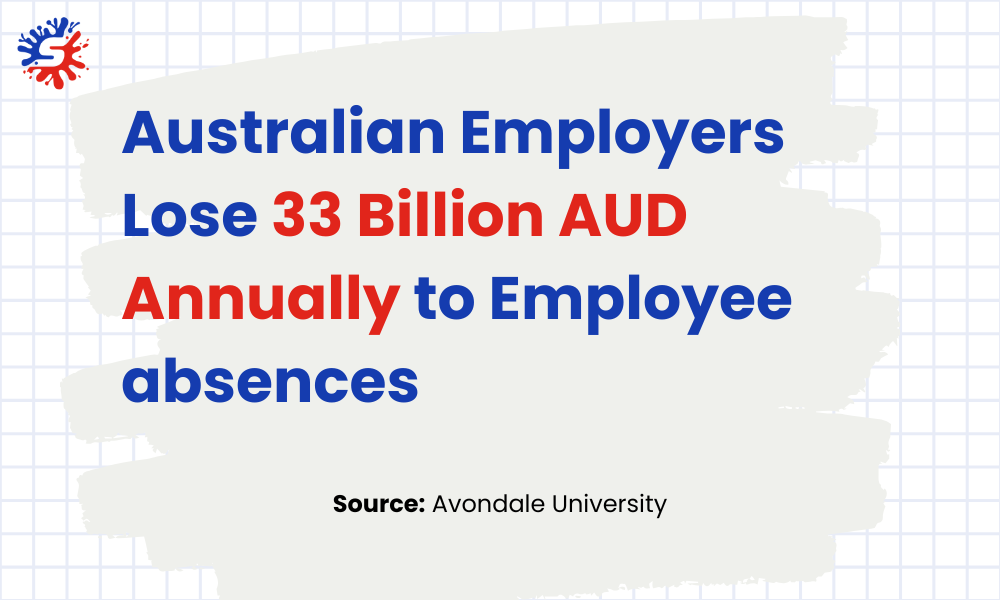
Every time an employee is absent due to illness, it disrupts the workflow, reduces output, and often requires others to step in. Australian employers lose about AUD 33 billion annually due to employee absences.
The Most Common Germ Hotspots in Corporate Workspaces
Shared spaces and surfaces quickly become reservoirs for bacteria and viruses, fuelling illness spread.
-
Workstations and desks
-
Shared equipment (phones, printers)
-
Break room handles and kitchen surfaces
-
Door and elevator buttons
-
Bathroom handles and fixtures
Advantages of Hiring Professional Office Cleaners in Sydney
Investing in cleaning before problems is a financial and health decision that protects your employees and productivity. When companies shift from reacting to sickness outbreaks to preventing them with strategic cleaning, the savings are significant.
Why Basic Cleaning isn’t Enough to Reduce Illness
Simply wiping desks now and then isn’t effective at stopping viruses and bacteria from circulating among staff. Everyday cleaning may remove visible dirt, but without proper sanitisation of high-touch areas and trained procedures, pathogens remain where people touch most.
Trigger Points When Your Office Has Outgrown Its Current Cleaning Plan
If your team or workspace has changed, your cleaning needs probably have too. Watch for these signals that it’s time to upgrade to a more preventative cleaning approach:
-
Sick leave rates rising beyond typical seasonal trends
-
Frequent complaints about indoor air quality or dust
-
Larger staff numbers with shared workstations
-
Increase in meetings or collaborative space usage
-
Recurring outbreaks of colds or flu in the team
Maintain Current Setup or Upgrade to Professional Cleaning
This comparison helps you make fact-based decisions about the impact of illness and the preventive power of professional cleaning.
|
Situation |
Maintain Current Plan |
Upgrade to Professional Cleaning |
|
Sick leave stable low |
Good short term |
Consider proactive benefits |
|
Sick leave rising |
Risky |
Recommended |
|
High number of shared surfaces |
Less effective |
Highly effective |
|
Complex workspaces |
Hard to manage internally |
Professional tools and reporting |
|
Budget pressure |
Short term saving |
Long-term ROI |
What Strategic Office Cleaning Should Actually Cover
A professional office cleaning strategy goes beyond a quick tidy-up. It prioritises tasks that directly reduce the spread of germs and maintains consistently high hygiene standards.
Core Health-Focused Cleaning Tasks That Reduce Transmission Risk
Here are the key cleaning actions that help cut down illness transmission in workplaces:
-
Daily disinfection of high-touch surfaces like door handles, light switches, and shared equipment to stop germs from spreading quickly among staff.
-
Cleaning and sanitising washrooms and kitchens daily to reduce bacteria in shared spaces.
-
Vacuuming and mopping floors regularly to remove dust and allergens that can affect air quality.
-
Wiping down desks, phones, and workstations with appropriate sanitiser to reduce contamination in personal spaces.
-
Emptying bins and managing waste so that rubbish does not become a health risk.
Scope Mapping What’s Included vs Optional Deep Cleaning Add-Ons
Routine cleaning helps maintain everyday hygiene. Deep cleaning add-ons focus on hidden or hard-to-reach areas that build up germs and allergens over time.
|
Task |
Included in Routine Cleaning |
Optional Deep Clean Add-On |
|
Empty bins and replace liners |
Yes |
No |
|
Wipe and sanitise high-touch points |
Yes |
No |
|
Vacuum and mop floors |
Yes |
No |
|
Clean inside fridges and appliances |
Sometimes |
Yes |
|
Carpet steam or extraction cleaning |
No |
Yes |
|
Wash vents and air ducts |
No |
Yes |
|
Deep-scrub grout and tiles |
No |
Yes |
|
Detailed furniture and upholstery sanitisation |
No |
Yes |
Communication and Reporting Why Accountability Matters
Good communication ensures everyone knows what cleaning covers and how it’s tracked. Professional cleaners should provide:
-
Clear checklists of tasks completed at each visit
-
Reporting on issues found (e.g school of neglected dirt or spills)
-
Agreed standards and frequency so responsibilities are clear
How to Avoid Choosing the Wrong Cleaning Contractor
Choosing the wrong cleaning contractor can lead to inconsistent hygiene, higher sick leave, and ongoing complaints from staff. A structured selection process helps protect your workplace standards and your budget.
Red Flags That Lead to Inconsistent Hygiene Standards
Before signing any agreement, it is important to know the warning signs. Poor contractor selection is one of the top causes of service inconsistency in facility management.
Watch for these red flags:
-
No clear cleaning checklist or scope of work provided
-
No proof of insurance or safety documentation
-
Vague pricing with no task breakdown
-
No quality inspections or reporting process
Questions to Ask Before You Commit to a Cleaning Contract
The right questions upfront reduce risk and protect hygiene standards long term. Many service failures happen because expectations were never clearly defined.
Ask potential contractors:
-
What is included in the standard cleaning scope?
-
How are high-touch surfaces prioritised?
-
Are cleaners trained and police checked?
-
How is performance monitored and reported?
-
What happens if standards drop or complaints arise?
-
Can cleaning be scheduled after hours to reduce disruption?
What a Transparent Proposal Should Outline
A professional cleaning proposal should remove uncertainty and clearly define deliverables. Lack of detail often leads to budget overruns or missed tasks.
|
Proposal Element |
Why It Matters |
|
Detailed scope of works |
Prevents missed tasks |
|
Cleaning frequency schedule |
Sets clear expectations |
|
Pricing breakdown |
Avoids hidden costs |
|
Quality control process |
Maintains standards |
|
Communication and reporting method |
Ensures accountability |
|
Insurance and compliance details |
Protects your business |
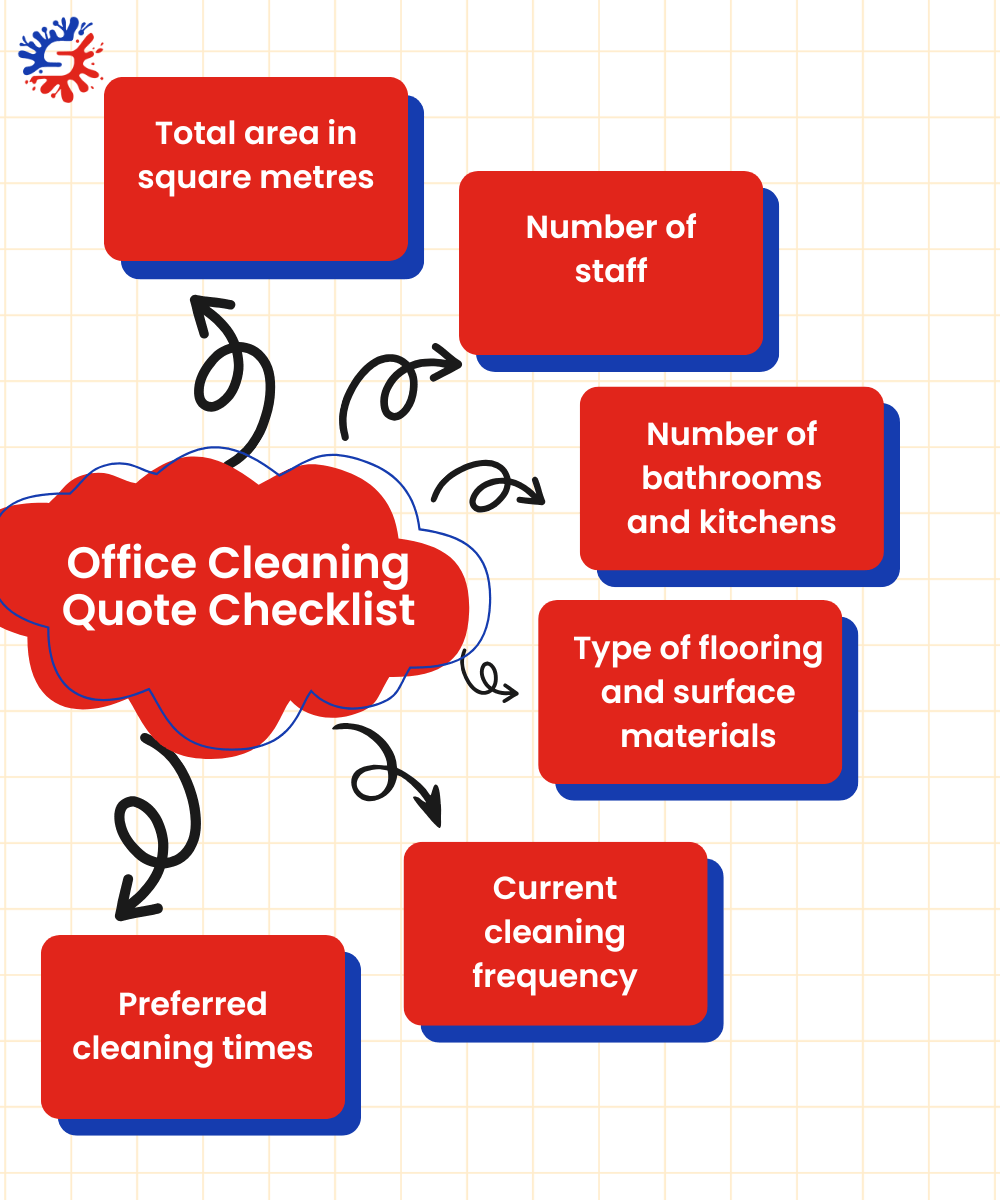
Quote Ready Checklist Information to Provide for Accurate Pricing
Accurate pricing depends on accurate information. Providing full site details prevents underquoting and service gaps.
Provide the following when requesting a quote:
A 60-Day Plan to Reduce Sick Leave and Protect Productivity
A clear, structured plan over the next 60 days helps you audit current issues, make targeted improvements, and effectively embed preventive cleaning.
First 30 Days: Audit, Adjust, and Address High-Risk Areas
-
Conduct a hygiene audit of the workplace to identify high-touch surfaces and spots most likely to spread illness.
-
Review current sick leave data to understand patterns and problem areas.
-
Talk to staff about recent sickness complaints and gather feedback on shared spaces.
-
Update cleaning checklists to include high-risk zones such as kitchens, door handles, and shared equipment.
-
Adjust cleaning schedules where needed to better cover busy areas and peak contact times during the day.
Days 30–60: Implement Preventive Cleaning and Monitor Results
-
Bring in professional cleaning services or increase sanitisation frequency in critical areas.
-
Track sick leave closely weekly rather than quarterly to see early trends.
-
Measure adherence to new cleaning procedures using checklists and reports provided by your cleaning team.
-
Provide education reminders to staff about personal hygiene and shared space etiquette.
-
Adjust and refine cleaning routines based on early data and staff feedback.
When people are absent or underperforming due to illness, workplace morale suffers. Shifting from reactive fixes to a focused preventative cleaning strategy enhances operations and boosts workplace performance.
Give us a call to schedule a professional cleaning session based on your staff size and workplace layout. A custom plan ensures you invest in the right frequency, tasks, and reporting tools that your business needs.