
Why Carpet Cleaning is Costing Your Sydney Firm More in Down-Time

Keeping carpets clean in a busy office may seem straightforward, but for many businesses, it comes with a hidden operational cost.
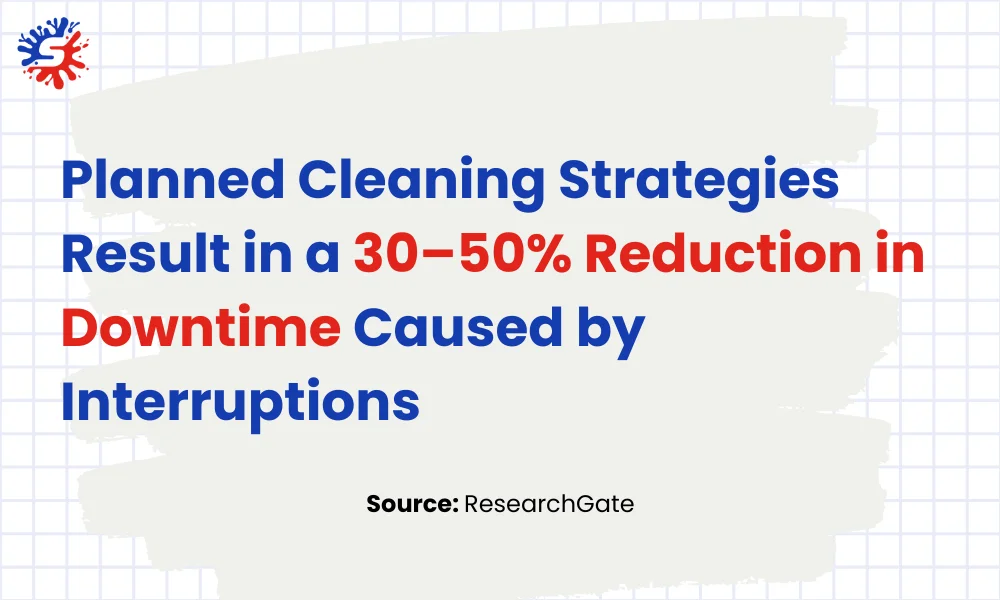
When not properly planned, even routine maintenance can disrupt workflows, delay teams, and affect how your workplace is perceived by clients and staff. Research shows that properly scheduled maintenance activities can result in a 30–50% reduction in downtime caused by interruptions and workflow disruption.
Key Takeaways
- Most downtime comes from poor planning, not the cleaning itself
- Steam cleaning creates the longest delays due to drying time
- Low-moisture methods help reduce disruption significantly
- Zoned cleaning keeps parts of the office usable during the process
- Clear quotes and timelines prevent unexpected delays
- A well-planned cleaning schedule protects productivity and workflow
The Hidden Cost of Carpet Cleaning Downtime in Sydney Offices
Carpet cleaning is essential for the workspace, but the timing and method can quietly disrupt your operations. In busy Sydney CBD offices, even a few hours of downtime can flow into lost productivity and client-facing issues the next day.
How Cleaning Disrupts Daily Operations in High-Traffic CBD Workspaces
In high-traffic office environments, carpet cleaning often overlaps with core business hours or extends into early mornings when teams are arriving. This creates access restrictions, noise interruptions, and safety concerns such as damp flooring and equipment cables.
According to WorkSafe, slips, trips, and falls account for 20% of workplace knee injuries and are often linked to wet surfaces and poor housekeeping practices. In CBD offices where space is tight and foot traffic is constant, even partial cleaning zones can block pathways, delay meetings, and force teams to relocate temporarily.
The Real Cost: Lost Productivity, Staff Displacement, and Client Perception
When cleaning is not properly planned, the impact goes beyond inconvenience:
-
Staff productivity drops when teams are moved or disrupted mid-task
-
Temporary workstation changes reduce efficiency and increase errors
-
Meeting delays or rescheduling affects internal and client workflows
-
Clients notice clutter, noise, or restricted access, affecting brand perception
Why Traditional After-Hours Cleaning Still Impacts Next-Day Operations
After-hours carpet cleaning is often seen as the safest option, but it does not always eliminate disruption. Traditional steam cleaning methods can leave carpets damp for 6 to 12 hours, meaning staff arrive at unusable areas the next morning.
This leads to delayed start times, restricted access to key zones, and potential safety risks. Improper drying can extend downtime compared to low-moisture carpet cleaning methods.
What’s Causing Excess Downtime in Commercial Carpet Cleaning
Once you look beyond the surface, most downtime issues come from how the cleaning is planned. Many Sydney offices lose hours due to outdated methods, poor scheduling, and unclear scope, rather than the cleaning itself.
Common Inefficiencies in Standard Carpet Cleaning Methods
Traditional approaches often create more disruption than necessary:
-
Overuse of hot water extraction in all areas, even where low-moisture methods would suffice
-
Large-area cleaning instead of staged or zoned cleaning
-
Inefficient equipment that requires longer setup and pack-down time
-
Lack of clear drying management, leading to extended unusable spaces
-
Re-cleaning due to missed spots or poor first-pass results
Drying Time vs Business Continuity: Where Most Firms Lose Hours
Drying time is one of the biggest hidden drivers of downtime. Many businesses assume the job is done once the cleaner leaves, but the real delay begins then.
Steam cleaning can leave carpets damp for several hours, depending on airflow, humidity, and carpet type. In Sydney’s commercial buildings, where ventilation may be limited overnight, this often pushes usable time well into the next workday.
When access to key work zones is delayed, teams either crowd into limited areas or adjust schedules, both of which reduce overall productivity.
Equipment, Staffing, and Scheduling Gaps That Increase Disruption
Gaps in planning and resourcing are a major cause of extended downtime:
-
Undersized teams taking longer to complete large office areas
-
Outdated or poorly maintained machines slowing cleaning speed
-
No overlap between shifts, causing gaps in workflow
-
Poor coordination with building management for lift and access use
-
Cleaning scheduled without considering peak business activities
Scope Mapping: Standard Inclusions vs Add-On Services That Extend Downtime
Understanding what is included versus what adds time is critical for planning.
|
Service |
Standard Inclusion (Typical) |
Adds Downtime? |
Notes |
|
General carpet vacuuming |
Yes |
No |
Pre-clean step, minimal impact |
|
Spot stain treatment |
Yes |
Low |
Quick if limited areas |
|
Full steam cleaning |
Yes |
High |
Main source of drying delays |
|
Deodorising treatment |
Optional |
Medium |
May extend drying time |
|
Deep stain removal (specialist) |
Add-on |
High |
Requires extra dwell time |
|
Carpet protection (Scotchgard etc.) |
Add-on |
Medium |
Needs curing time |
|
Furniture moving |
Add-on |
High |
Slows workflow significantly |
|
After-hours access coordination |
Varies |
Medium |
Can delay start/finish times |
Smarter Carpet Cleaning Approaches That Minimise Business Disruption
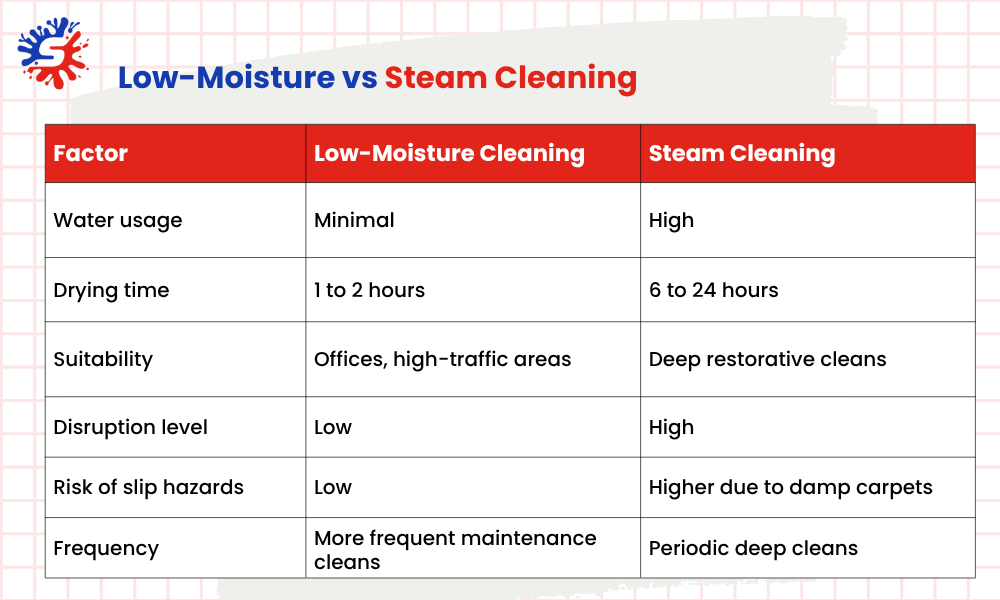
Reducing downtime depends on choosing the right method and plan for your workspace. Sydney offices that adopt smarter cleaning strategies can maintain hygiene standards without slowing daily operations.
Low-Moisture vs Steam Cleaning: What Reduces Downtime Fastest
Choosing the right method directly affects how quickly your office returns to normal.
Zoned Cleaning Strategies for Offices That Can’t Fully Shut Down
If your office operates across long hours or cannot fully close, zoned cleaning is essential. A structured approach keeps parts of the office functional while others are being cleaned:
-
Identify high-traffic and critical work zones
-
Divide the office into manageable sections or zones
-
Clean one zone at a time while others remain operational
-
Use signage and barriers to guide safe movement
-
Rotate zones across different days or shifts
-
Prioritise entry points, meeting rooms, and shared areas
Scheduling Framework: Before Work, Split Shifts, or Weekend Cleans
Timing plays a major role in minimising disruption. The right schedule depends on how your office operates:
-
Early morning cleans before staff arrive to allow partial drying time
-
Split shifts where cleaning is completed in stages across the day
-
Weekend cleaning for larger jobs that require full access
-
Public holiday scheduling for deep cleans with zero staff presence
-
Coordination with building management for after-hours access
When It’s Worth Hiring a Professional CBD Cleaning Specialist
If downtime is affecting your operations, it is time to bring in a specialist who understands CBD constraints and the need for fast turnaround.
What a specialist can offer:
-
Low-moisture and rapid-dry cleaning systems
-
Detailed site assessment and cleaning plan
-
Zoned execution to maintain business continuity
-
Clear timelines with minimal disruption
-
Compliance with site safety and access requirements
How to Choose a Carpet Cleaning Provider That Won’t Slow Your Business
A right provider plans well, communicates, and executes without disrupting your operations. A poor choice can turn a routine cleaning into a full-day loss of productivity.
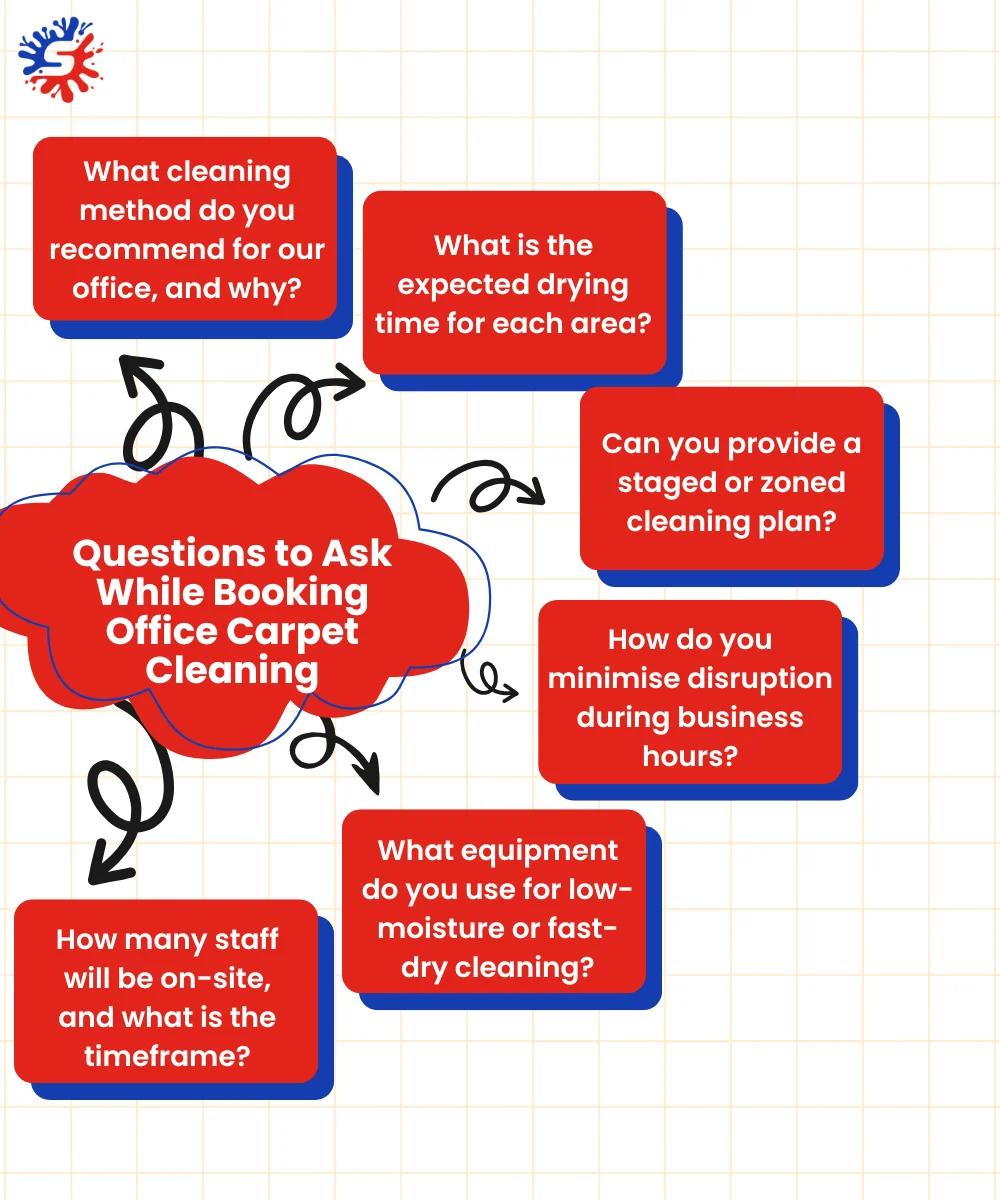
Key Questions to Ask Before Booking a Commercial Carpet Clean
Before locking in a provider, ask questions that directly relate to downtime and efficiency:
Red Flags That Signal Potential Delays or Poor Planning
Some warning signs show up before the job even starts:
-
No clear drying time provided in the quote
-
One-size-fits-all approach without site inspection
-
No mention of zoning or staged cleaning
-
Vague timelines, such as “overnight” without specifics
-
Limited or outdated equipment mentioned
-
No discussion of access, safety, or workflow planning
What a Reliable Carpet Cleaning Quote Should Include
A professional quote should clearly outline how the job will be completed with minimal disruption.
|
Quote Element |
What to Look For |
Why it Matters |
|
Scope of work |
Areas, carpet type, and cleaning method |
Avoids scope creep and delays |
|
Timeline |
Start and finish times per zone |
Helps plan staff access |
|
Drying time |
Estimated hours per area |
Prevents next-day disruption |
|
Staffing details |
Number of cleaners and shift structure |
Ensures job is completed on time |
|
Equipment used |
Low-moisture or fast-dry systems specified |
Impacts downtime directly |
|
Access plan |
Entry points, lifts, security coordination |
Avoids delays on the day |
|
Add-on services |
Clearly listed with time impact |
Prevents unexpected extensions |
Quote-Readiness Checklist: Information You Need for Accurate Pricing
To get an accurate quote and avoid delays, have this information ready:
-
Total carpeted area in square metres
-
Type of carpet and condition (light use, heavy traffic, stains)
-
Office layout including desks, meeting rooms, and common areas
-
Preferred cleaning times (after-hours, weekend, staged)
-
Access details such as parking, lifts, and security requirements
-
Any specific problem areas or high-priority zones
-
Need for add-ons like stain removal or deodorising
Planning a Zero-Downtime Carpet Cleaning Strategy for Your Sydney Office
A zero-downtime approach is achievable when cleaning is treated as part of your operations rather than an afterthought. With the right timing, coordination, and follow-up, you can maintain clean carpets without interrupting your team.
7-Day to Same-Day Cleaning Timeline for Minimal Disruption
A structured timeline helps reduce last-minute issues and keeps your office running smoothly:
-
7 days before: Confirm scope, access, and preferred cleaning method with your provider
-
3 to 5 days before: Finalise schedule, zoning plan, and staff communication
-
1 to 2 days before: Prepare workspace, flag priority areas, and confirm building access
-
Day of cleaning (pre-start): Clear key zones and ensure access points are ready
-
During cleaning: Execute zoned cleaning to keep parts of the office operational
-
Same day post-clean: Allow drying time based on the method used and ventilate areas
-
Next morning check: Inspect high-traffic zones and confirm full usability
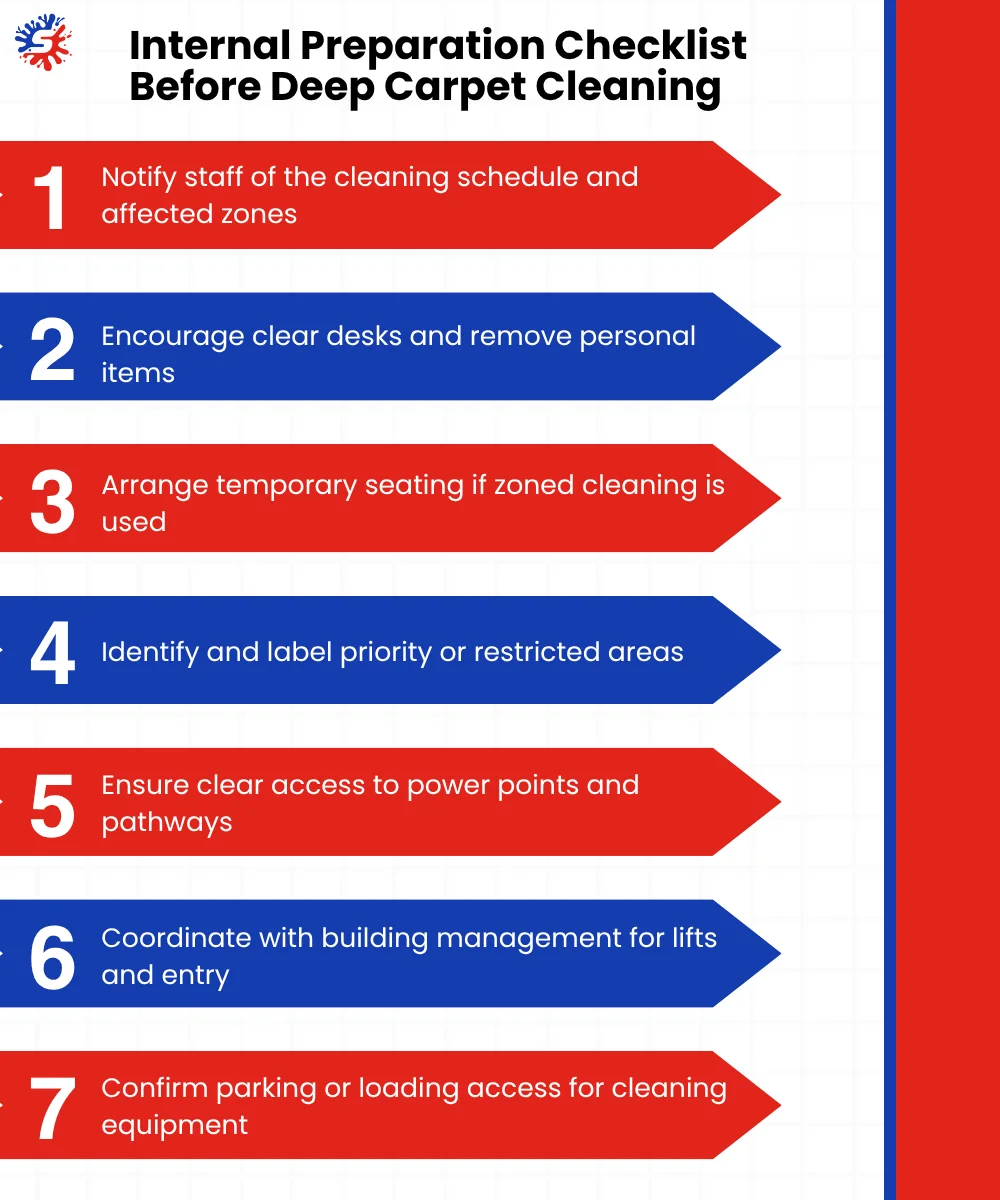
Internal Prep Checklist: Staff, Furniture, and Access Coordination
Proper internal preparation prevents delays and confusion on the day:
Post-Clean Recovery Plan: Ensuring Fast Return to Full Productivity
What happens after cleaning is just as important as the cleaning itself:
-
Increase airflow with HVAC or open windows where possible
-
Use signage to guide staff around any slightly damp areas
-
Reopen zones progressively based on drying completion
-
Conduct a quick walkthrough to identify any missed spots
-
Reset furniture and workstations efficiently
-
Log any issues for follow-up with the cleaning provider
Conclusion
For Sydney offices, the goal is simple: carpet cleaning should support your operations, not disrupt them. A well-executed carpet cleaning Sydney plan should fit around your team, deliver fast drying times, and maintain safety and accessibility at all times.
If your current process is causing delays or next-day disruption, it's time to review your approach. Speak with our experts who understand CBD office requirements, request a tailored plan, or organise a quick site assessment to identify opportunities to reduce downtime. A small change in strategy can make a noticeable difference to your team’s productivity and overall workplace experience.
Frequently Asked Questions
Find quick answers to booking, payments, pet-friendly policies, deep cleaning, and more. Our team is dedicated to making the process effortless and transparent. If you have additional questions, we're here to help ensure a seamless experience.
Get In Touch