Hygiene Stats Every Homeowner Needs to Read
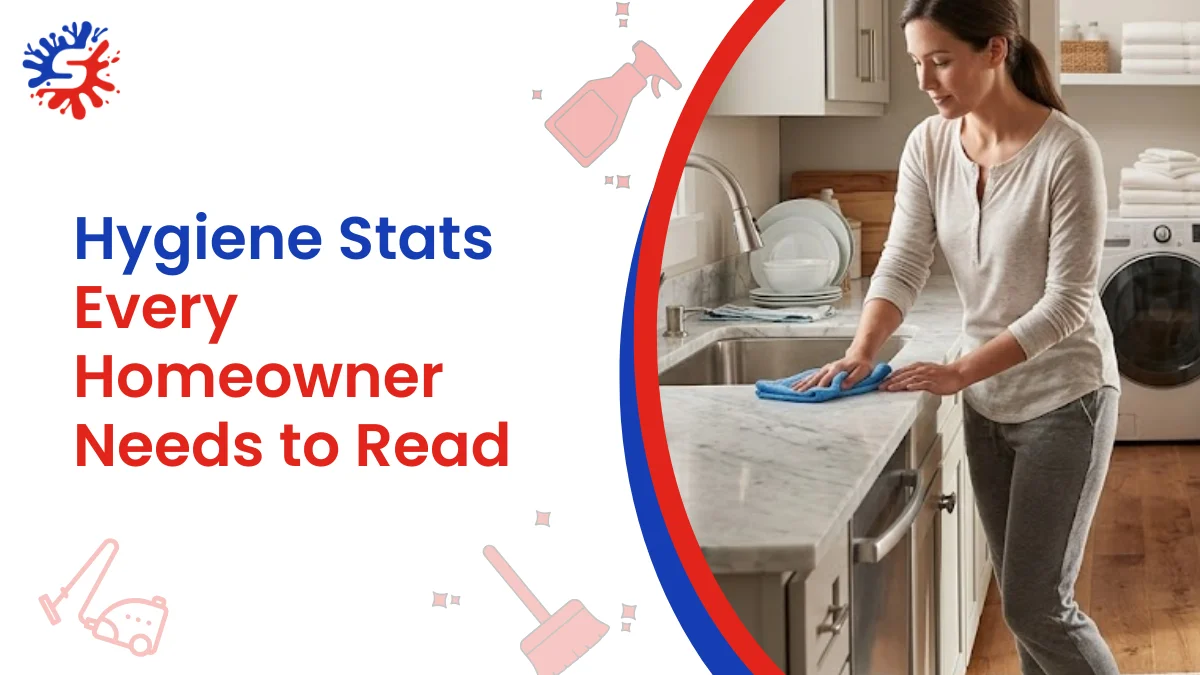
Did you know that your kitchen sponge is likely heavily contaminated with the same bacteria found in your toilet seat? In a modern home, what you cannot see can absolutely compromise your family’s health.
While we often assume our bathrooms are the dirtiest rooms in the house, science tells a very different story. Below is your ultimate guide to the hidden dangers lurking in your living spaces and the terrifying truth about everyday touchpoints in your home.
23 Essential Home Hygiene Statistics
1. The Kitchen Sponge Reality
More than 75% of household dish sponges and rags harbor Coliform bacteria (a family of bacteria that includes Salmonella and E. coli). This makes the sponge the single germiest item in the average home, significantly dirtier than a toilet seat.
Source: National Sanitation Foundation
2. Kitchens vs. Bathrooms
Contrary to popular belief, the areas where food is prepared actually contain more bacteria and fecal contamination than most places in the bathroom. For example, 45% of kitchen sinks harbor Coliform, compared to only 9% of bathroom faucet handles.
Source: National Sanitation Foundation
3. Coffee Maker Mold
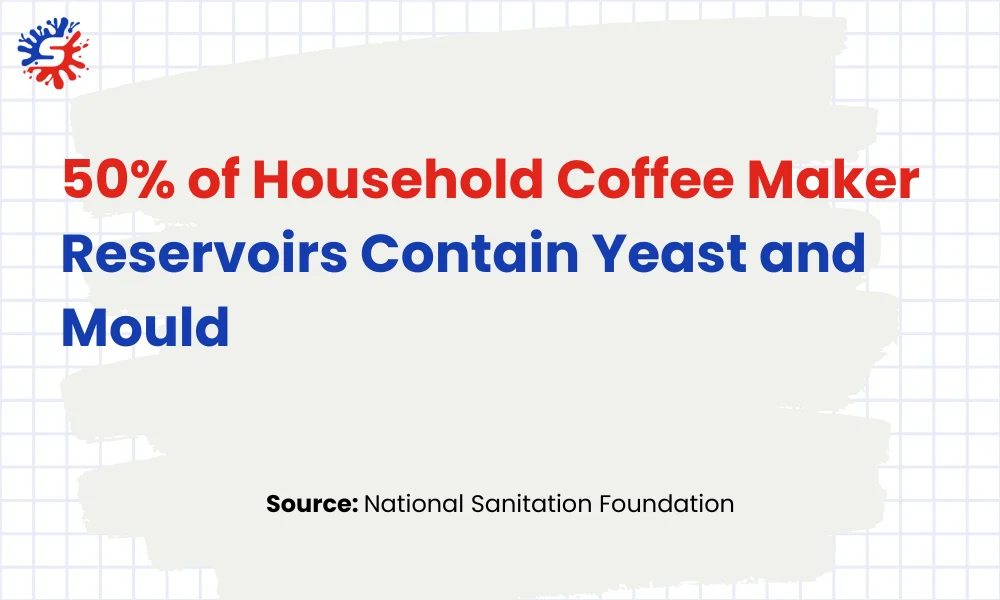
Warm and moist environments are ideal breeding grounds for germs. Studies show that 50% of household coffee maker reservoirs contain yeast and mould, which can trigger allergic responses and impact the quality of your morning brew.
Source: National Sanitation Foundation
4. Smartphone Bacteria
The average smartphone harbors 10 times as many bacteria as a standard toilet seat, largely because we take them everywhere (including the bathroom) and rarely sanitize them.
Source: University of Alberta
5. Remote Controls Are Germ Hotspots
The family television remote control is frequently touched by everyone but rarely cleaned. Research shows that remote controls can carry 70% more bacteria than a toilet seat.
Source: Forbes
6. The Power of At-Home Handwashing
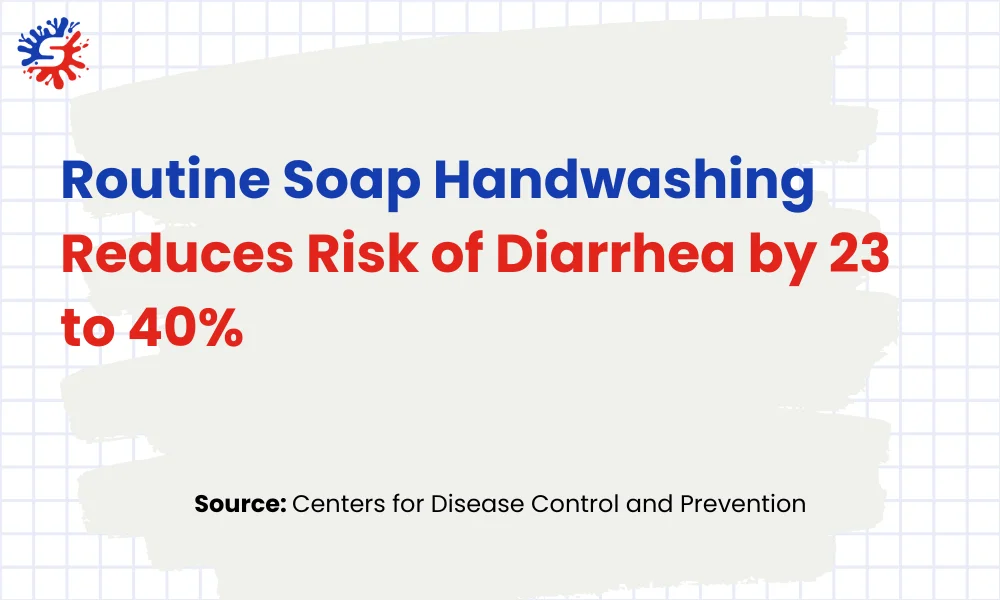
Practicing basic hand hygiene in the home is one of the most effective ways to stay healthy. Routine handwashing with soap and water can reduce the number of people who get sick with diarrheal diseases by 23–40% and respiratory illnesses by 16–21%.
Source: Centers for Disease Control and Prevention
7. Toothbrush Holder Hazards
Most people don't think to clean the container holding their toothbrush, but 64% of toothbrush holders test positive for yeast and mold, and 27% harbor Coliform bacteria. This is largely due to airborne particles settling after nearby toilets are flushed.
Source: National Sanitation Foundation
8. Pet Bowl Contamination
Pets feeding areas are often neglected during routine housekeeping. About 18% of pet bowls harbor Coliform bacteria, and they frequently test positive for E. coli.
Source: National Sanitation Foundation
9. The Global Home Hygiene Gap
While maintaining home hygiene is a priority for many, it is a global privilege. According to recent data, 2.3 billion people worldwide lack access to a basic handwashing facility with soap and water at home, leading to widespread preventable illnesses.
Source: Centers for Disease Control and Prevention
10. The Cutting Board Comparison
The average kitchen cutting board contains 200 times as many fecal bacteria as a toilet seat. Bacteria such as Salmonella and E. coli thrive in the microscopic grooves left by your knives, raw meat, fish, and more, making a simple rinse highly ineffective.
Source: Today
11. The Danger of Indoor Air Quality
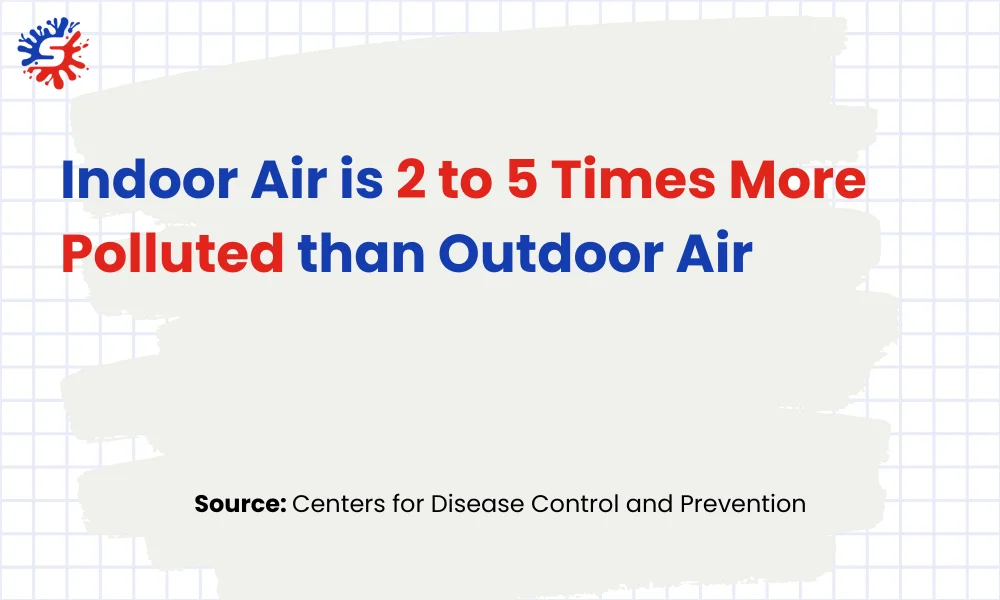
The U.S. Environmental Protection Agency (EPA) reports that indoor air is routinely 2 to 5 times more polluted than outdoor air. Trapped volatile organic compounds (VOCs) from cleaning supplies, pet dander, and poor ventilation contribute heavily to this invisible hazard.
Source: Environmental Protection Agency
12. The Bath Towel Trap
Studies show that 90% of bathroom towels are contaminated with coliform bacteria, and the average towel harbors 164,000 bacteria per square inch, which is 465 times more than the average toilet seat.
Source: Asian Journal of Home Science
13. The Cold-Wash Laundry Myth
Washing clothes at 30°C or 40°C is great for saving energy and protecting delicate fabrics, but it completely fails to sanitize your laundry. To effectively kill harmful bacteria, textiles (especially towels, sheets, and underwear) must be washed at 60°C or higher.
Source: PubMed
14. The Vegetable Drawer Nightmare
Studies have found that the average vegetable drawer contains 7,850 bacterial units per square centimeter (cfu/cm²). To put that in perspective, the standard safe recommendation for food storage surfaces is between 0 and 10 cfu/cm².
Source: Vijesti
15. Showerhead Aerosol Bacteria
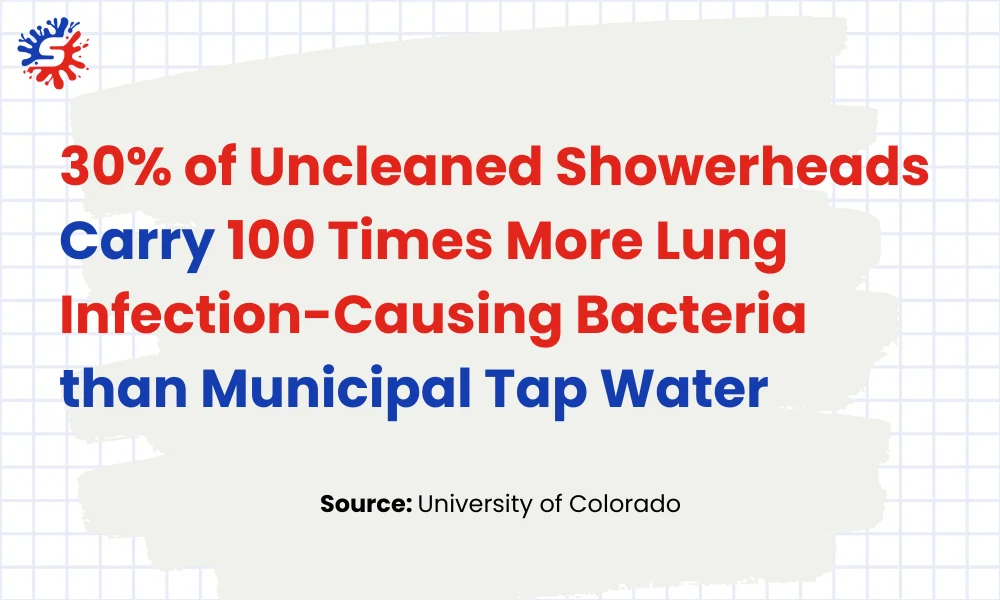
Testing by scientists revealed that nearly 30% of showerheads carry high levels of Mycobacterium avium (bacteria responsible for lung infection). The levels inside showerheads were 100 times higher than in the municipal tap water.
Source: University of Colorado
16. The Microbes in Your Bed Sheets
Within just one week, a single square inch of a bed sheet can harbour around 5 million bacterial colonies. Meanwhile, a pillowcase can harbor up to 3 million bacteria per square inch, which is nearly 25,000 times the level found on a bathroom doorknob.
Source: Safety and Health Magazine
17. The Reusable Grocery Bag Risk
Coliform bacteria were present in 51% of reusable grocery bags tested, and E. coli was identified in 8% of them. When bags exposed to meat juices were left in the trunk of a warm car for just two hours, bacterial growth increased 10 times.
Source: International Association for Food Protection
18. The Dishwasher Fungi Phenomenon
Research published in PLOS One investigating residential dishwashers found that 83% of household dishwashers tested positive for fungi, specifically on the rubber door seals.
Source: PLOS
19. The Shoe Sole Bacteria Transfer
A study found an average of 421,000 bacterial units on the outside and 2,887 on the inside of shoes. The study noted an incredibly high transfer rate: over 90% of the time, bacteria from shoes transferred directly to uncontaminated home floor tiles and carpets.
Source: Happi
20. The Makeup Bag Ecosystem
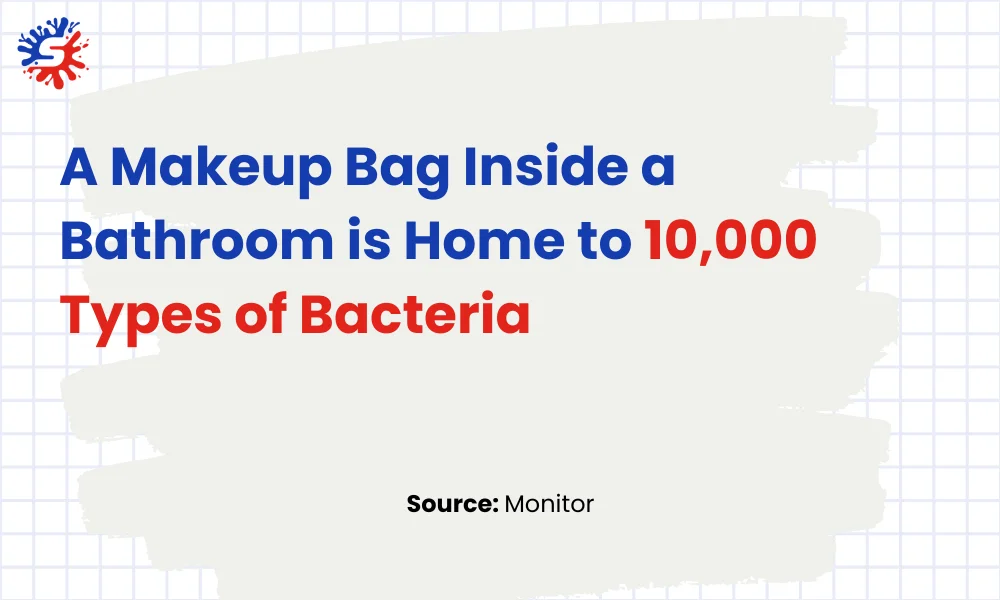
Cosmetic bags are often kept in warm, humid bathrooms, creating a perfect storm for germ replication. Studies have revealed that the average makeup bag carries up to 10,000 types of bacteria, making it technically dirtier than a standard toilet seat.
Source: Monitor
21. The Computer Keyboard Contamination
With the rise of work-from-home culture, computer keyboards have become massive microbial reservoirs. Swab tests in various studies consistently show that 95% to 100% of multiple-user keyboards and mice harbor bacteria.
Source: PubMed
22. The Reusable Water Bottle Biofilm
Studies comparing different water bottle materials found that after just a few hours of use, PET plastic water bottles harbor a 70% increase in microbial load, forming sticky "biofilms" on the interior walls. When left unwashed, the microbial count inside these bottles can significantly exceed that on a pet's food bowl.
Source: PubMed
23. Pillowcases and the Dust Mite Diet
Your mattress and pillows are essentially a buffet for microscopic arachnids. The average adult sheds about 1.5 grams of dead skin per day, which is enough to feed up to one million dust mites.
Source: SciSpace
Conclusion
The numbers do not lie about the microscopic dangers lurking in your home. From kitchen sponges crawling with harmful bacteria to the shocking reality of your television remote, ignoring residential hygiene can leave your family vulnerable to easily preventable illnesses.
Routine, thorough cleaning is the only way to reliably eliminate these unseen threats and protect your household. If you want to transform your home from a haven for bacteria into a safe, healthy environment, consider contacting Spark Clean Australia today.