
Bathroom Hygiene Statistics That Reveal Hidden Germ Risks
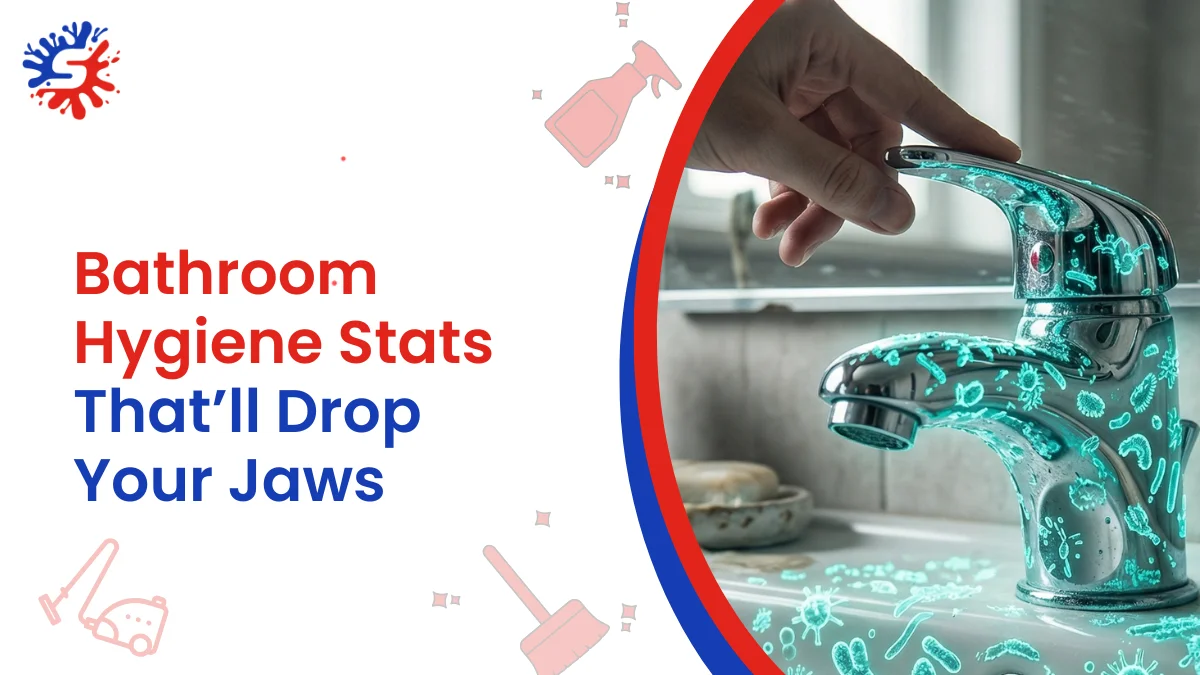
Did you know that the faucet handles in your bathroom likely harbour significantly more bacteria than your toilet seat? In a modern home, what you cannot see can absolutely compromise your family's health.
While the bathroom is dedicated to personal care and cleanliness, science tells a very different story about its microscopic ecosystem. Below is your guide to the hidden dangers lurking in your washrooms and the terrifying truth about everyday touchpoints in your daily routine.
14 Essential Bathroom Hygiene Statistics
1. The Bath Towel Bacteria Trap
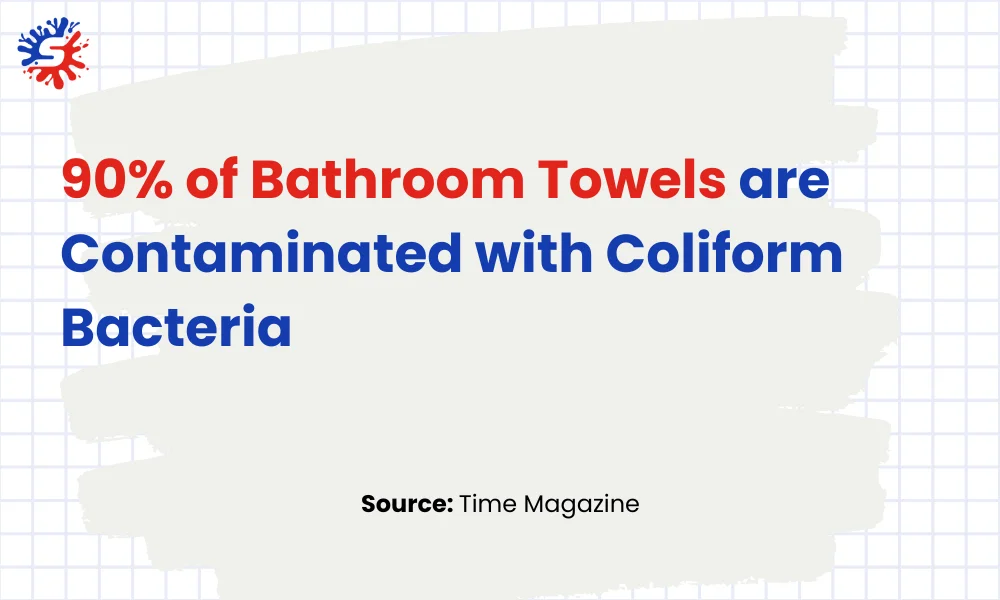
About 90% of bathroom towels are contaminated with coliform bacteria. Because towels remain damp and warm and are hung in dark bathrooms, they offer the perfect environment for microorganisms to thrive and multiply.
Source: Time Magazine
2. E. Coli on Your Face Towel
In microbiological testing, roughly 14% of bathroom towels carried E. coli. Experts note that drying your face with an unwashed hand towel after just two days of use can transfer a large number of fecal bacteria directly to your skin.
Source: Time Magazine
3. When to Toss Your Shower Sponge
Dermatologists strongly recommend replacing natural loofahs every 3 to 4 weeks, and plastic ones every 2 months. If it develops a musty odor or visible mold before that timeline, it needs to be thrown away immediately to prevent skin infections.
Source: Cleveland Clinic
4. The Mobile Phone in the Bathroom
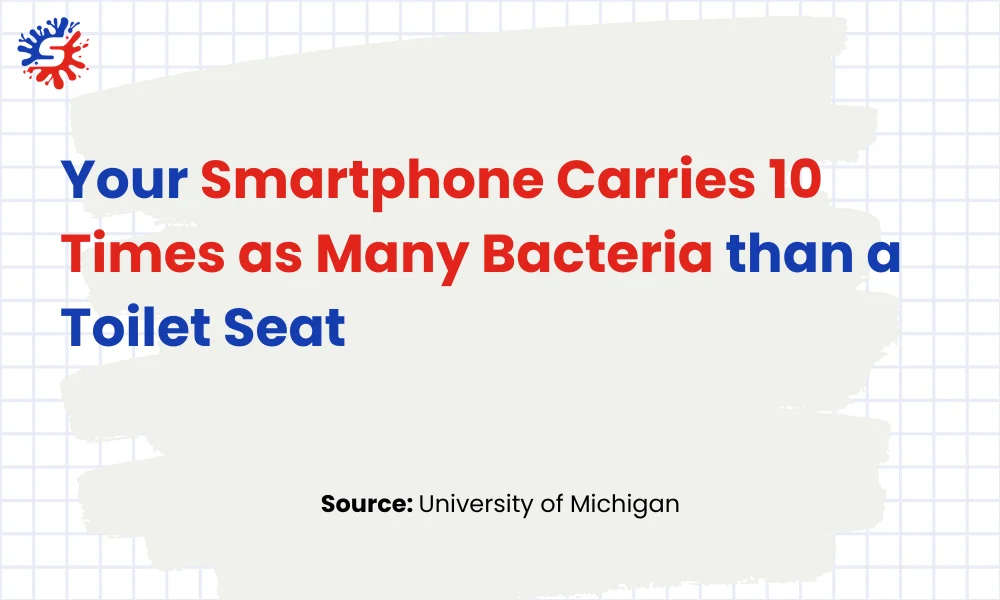
Taking your phone to the bathroom is a massive hygiene risk. The average cellphone harbors 10 times as many bacteria as a toilet seat, effectively transferring bathroom germs straight to your face, hands, and kitchen table.
Source: University of Michigan
5. The Toilet Seat Paradox
Surprisingly, the toilet seat is not the dirtiest place in your home; the kitchen sponge is actually significantly dirtier. Studies show about 20% of toilets harbor coliform bacteria, compared to a staggering 81% of household sponges.
Source: National Sanitation Foundation
6. The 20-Second Handwashing Rule
For handwashing to actually kill bathroom germs, you must scrub with soap for at least 20 seconds. Despite this, studies consistently show that the vast majority of people do not wash their hands long enough to effectively eliminate infectious microbes.
Source: Centers for Disease Control and Prevention
7. Handwashing Disease Prevention
Practicing basic hand hygiene in the bathroom is one of the most effective ways to stay healthy. Routine handwashing with soap and water can reduce the number of people who get sick with diarrheal diseases by up to 40%.
Source: Centers for Disease Control and Prevention
8. Bathroom Moisture and Toxic Mold
Bathrooms are prime real estate for mold growth due to constant high humidity. The EPA notes that if bathroom moisture problems are not addressed and the space is not properly ventilated, toxic mold can establish itself on grout, ceilings, and drywall in 24 to 48 hours.
Source: Environmental Protection Agency
9. The Bleach Sanitization Ratio
To properly sanitize heavily soiled bathroom items, standard soap isn't always enough. A recommended sanitizing solution for tough germs is to mix 1 tablespoon of household bleach with 3 liters of water.
Source: National Sanitation Foundation
10. The Jet Air Dryer Dispersal
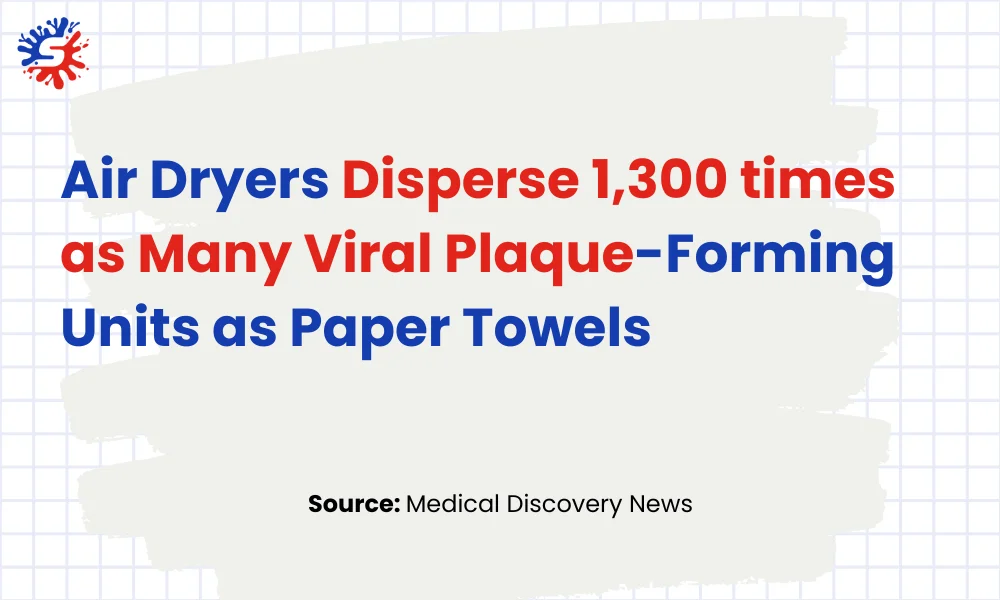
While more common in public spaces or high-end homes, jet air dryers can disperse 1,300 times as many viral plaque-forming units as paper towels, blowing microorganisms throughout the bathroom.
Source: Medical Discovery News
11. The Danger of Bath Toys
Squeaky bath toys, like rubber ducks, suck in dirty bathwater and rarely dry out inside. Studies found that 80% of bath toys contained dense biofilms of potentially pathogenic bacteria, including Legionella and Pseudomonas aeruginosa.
Source: University of Illinois
12. Virus Survival on Hard Surfaces
Enteric viruses like Norovirus, which cause severe gastrointestinal illness, can survive on hard, non-porous bathroom surfaces (such as tile floors, ceramic sinks, and flush handles) for 2 to 4 weeks if not properly disinfected with chemicals.
Source: PubMed Central
13. Shared Bathrooms and Toothbrushes
Research indicates a 54.85% chance that a toothbrush in a shared bathroom is contaminated with fecal coliforms. Furthermore, there is an 80% chance that those coliforms belong to another person using the same bathroom.
Source: ScienceDaily
14. Exhaust Fan Humidity Rules
To effectively prevent mold growth, a bathroom exhaust fan must be run during the shower and for at least 20 to 30 minutes after showering. This is the time required to reduce relative humidity to levels that prevent mold spores from germinating.
Source: The Economic Times
Conclusion
The numbers do not lie about the microscopic dangers in your home's most private spaces. From toothbrush holders to bathroom faucets, ignoring residential hygiene can leave your family vulnerable to easily preventable illnesses.
Routine, thorough cleaning is the only way to reliably eliminate these unseen threats and protect your household. If you want to transform your home from a haven for bacteria into a safe, healthy environment, consider contacting Spark Clean Australia today for professional cleaning services across Sydney suburbs.