Workplace Hygiene With 30 Eye-Opening Stats
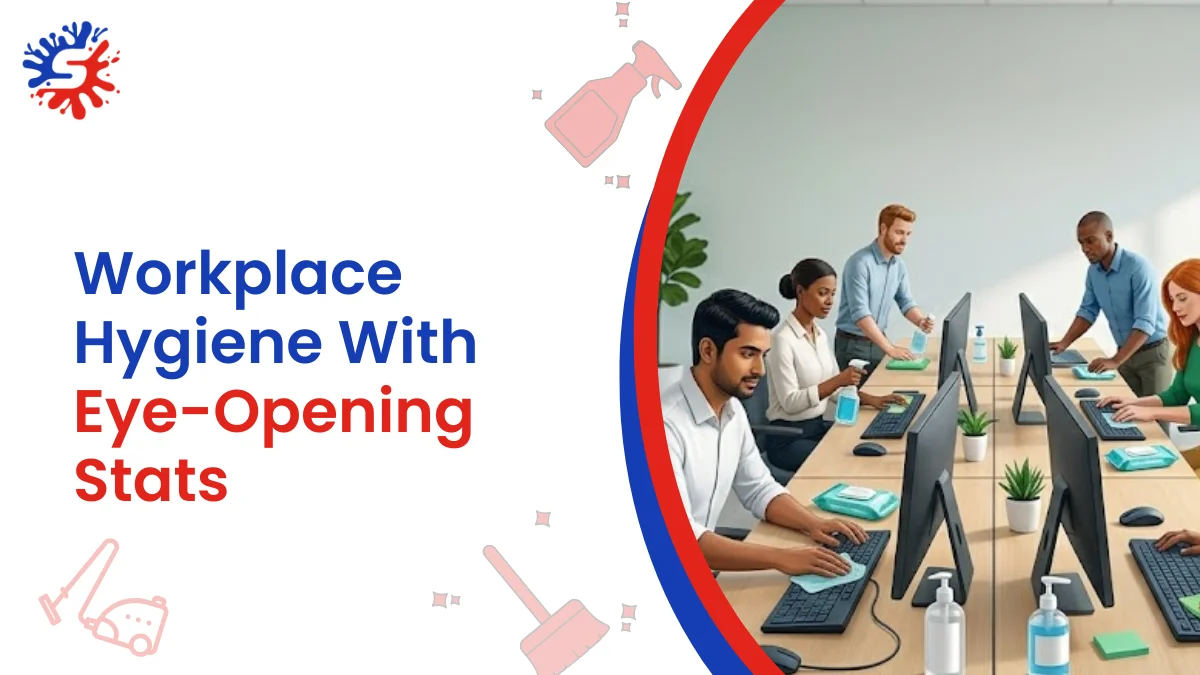
Did you know that the average desk is 400 times dirtier than a standard toilet seat? In a modern office, what you cannot see can absolutely hurt your bottom line.
Below is your ultimate guide to the hidden costs of a dirty office, industry trends, and the terrifying truth about everyday touchpoints.
29 Essential Workplace Hygiene Statistics
1. The Cost of Absenteeism
Australian workplaces lose around $33 billion annually due to absenteeism caused by preventable illnesses. This staggering figure highlights how minor hygiene lapses scale into a national economic issue. Preventable illnesses like the common cold and flu spread rapidly through shared air and surfaces, forcing staff to take sick leave.
Source: Avondale University
2. Virus Lifespan on Surfaces
Viruses do not die immediately after leaving the human body. The influenza virus left on surfaces by unclean hands can infect you up to 24 hours later.
Source: PubMed
3. Speed of Contamination
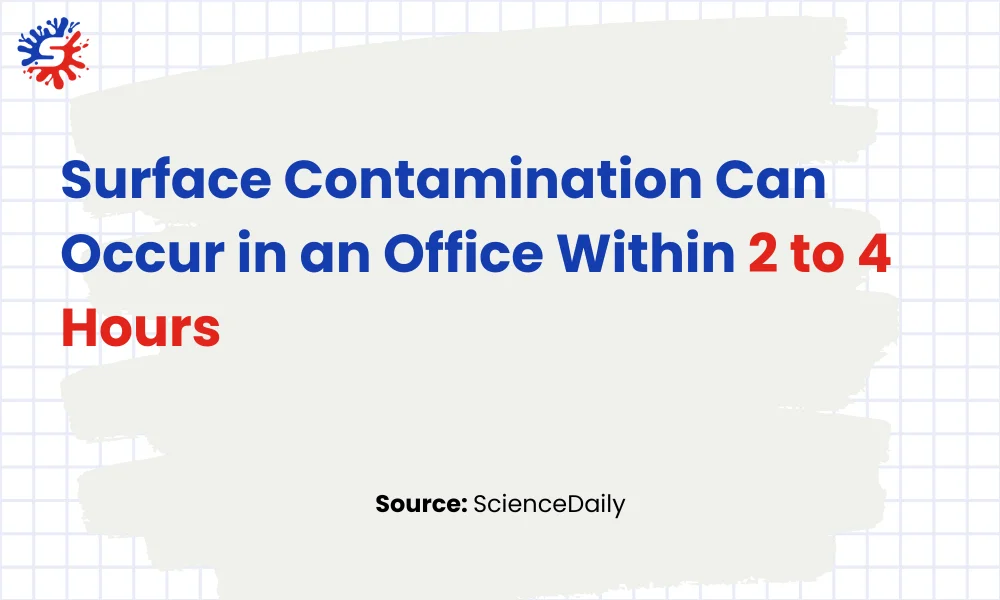
Germs spread faster than we think. Extensive spread of surface contamination can occur in a shared lobby or office in as little as 2 to 4 hours.
Source: ScienceDaily
4. Bacteria Living on Office Desks
A desk might look tidy, but at the microscopic level, it is a thriving ecosystem. Dead skin cells, dust, and microscopic food crumbs create the perfect breeding ground for bacteria. The average office worker has over 10 million bacteria living on their desk.
Source: BBC
5. Desks Versus Toilet Seats
Most employees rarely wipe down their desks, allowing a massive accumulation of bacteria right where they spend eight hours a day. The average work desk is approximately 400 times dirtier than the average toilet seat.
Source: National Center for Health Research
6. Keyboard Contamination
Keyboards act as germ traps. Every time you touch a shared surface and return to type, you transfer new microbes into the crevices between the keys. The average office keyboard has 3,295 germs per square inch.
Source: OchsnerHealth
7. Computer Mouse Germs
The mouse is held in the palm of a hand for hours on end, absorbing sweat and natural oils. This provides a warm, nutrient-rich environment for bacteria to survive, making it a highly efficient vehicle for cross-contamination. The average computer mouse carries over 1600 germs per square inch.
Source: Independent
8. Office Phone Bacteria
Office phones are the most contaminated item in the office, with 25,127 germs per square inch. The moisture from breathing and talking creates a perfect breeding ground for pathogens.
Source: StateFoodSafety Resources
9. Elevator Button Hazards
Hundreds of different fingers press the exact same buttons every single morning. Lift and elevator buttons contain 40 times as many bacteria as toilet seats.
Source: Infection Control Today
10. Contaminated Office Cups
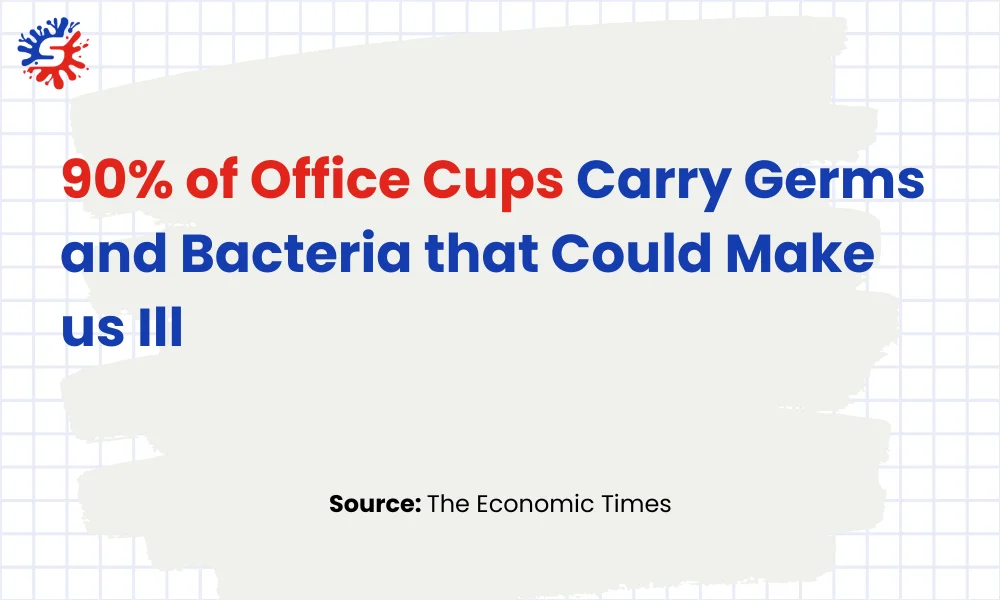
Shared office mugs are notorious for poor sanitation. A quick rinse under the tap without hot water and proper dish soap does almost nothing to kill lingering viruses. 90% of office cups harbour germs and bacteria that could make us ill.
Source: The Economic Times
11. Faecal Matter on Mugs
When unwashed hands after using the bathroom touch shared cupboard doors and cup handles, coliform bacteria easily transfer onto cup rims. Up to 20% of tested office mugs had traces of faecal matter on them.
Source: The Economic Times
12. Shared Sponge Risks
The office kitchen sponge is often the single dirtiest item in the building. 100% of coffee cups tested positive for coliform bacteria after being wiped with a shared dishcloth or sponge.
Source: Fox29
13. Lifespan of E. Coli
Stainless steel appliances in office kitchens might look sleek and hygienic, but they can host resilient bacteria like E. coli. The dangerous bacteria can survive up to 28 days at refrigeration and room temperatures on stainless steel.
Source: PubMed
14. Skipping Soap
Without soap to break down the skin's natural oils where microbes cling, employees are simply moving wet bacteria from the bathroom onto the office door handles. A shocking 33% of people do not use soap when washing their hands at work.
Source: Infection Control Today
15. Total Lack of Handwashing
Roughly 10% of employees admitted to not washing their hands at all after using the bathroom. This lapse in fundamental hygiene by just one in ten workers guarantees the steady introduction of new, harmful pathogens into the office ecosystem.
Source: Infection Control Today
16. Damp Hands Spread Bacteria
Damp hands are a thousand times more likely to spread bacteria around the office. Bacteria thrive in moisture, and leaving the bathroom with wet hands turns an employee into a highly efficient delivery system for germs, transferring them effortlessly to whatever they touch next.
Source: PubMed
17. Food Preparation Hygiene
Only 25% of people wash their hands for at least 20 seconds before meal preparation. In shared office kitchens, the vast majority of staff are touching the microwave keypad, fridge handle, and communal cutlery with contaminated hands.
Source: PubMed
18. Eating at Desks
62% of workers who eat their lunch at their desks contribute to office contamination. Food particles and grease inevitably drop onto keyboards and desk surfaces, feeding existing bacterial colonies and potentially attracting pests.
Source: The New York Times
19. Neglected Personal Workspaces
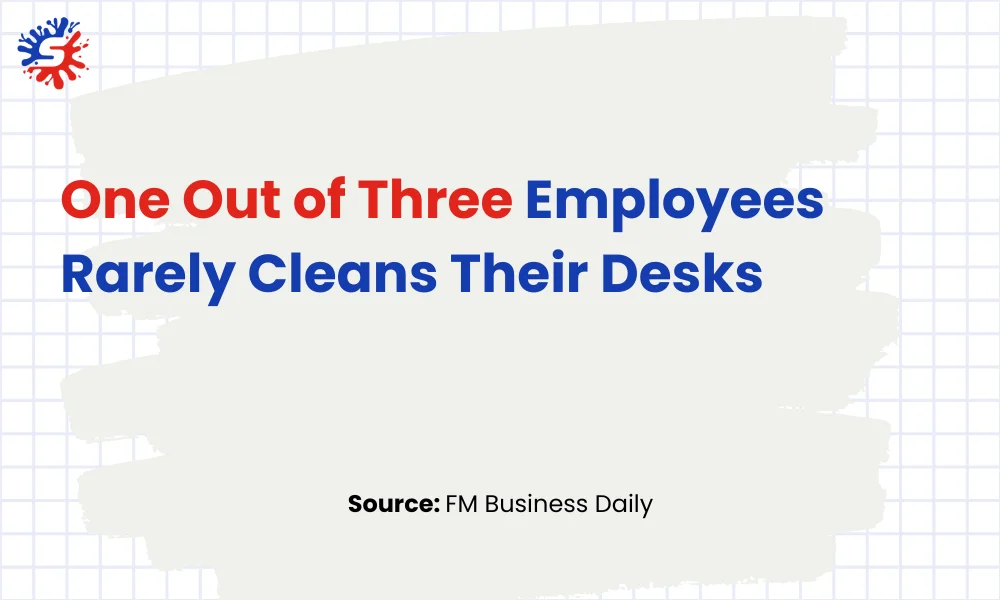
Despite spending a third of their lives at work, a massive portion of the workforce neglects basic workstation maintenance. One in 3 employees rarely cleans their desks.
Source: FM Business Daily
20. Office Chair Germs
We rarely think to sanitize office chairs, particularly fabric ones. They absorb sweat, spills, and environmental dust daily. Your office chair harbors an alarming 21,000 germs per square inch.
Source: Workplace Insight
21. Dirty Office Fridges
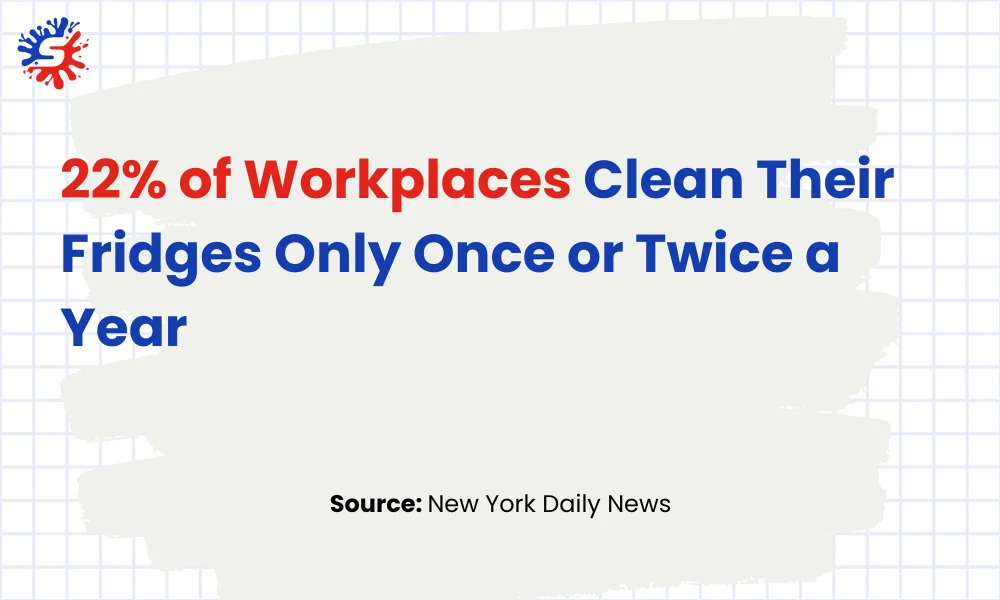
22% of workplaces clean their fridges only once or twice a year. Forgotten lunches and expired milk create foul odors and harbor mold spores that circulate through the fridge every time the door opens.
Source: New York Daily News
22. Preventing Avoidable Infections
Appropriate hand hygiene prevents up to 50% of avoidable infections. Half of all workplace illnesses could be completely avoided through better handwashing practices and routine surface sanitation.
Source: World Health Organization
23. Economic Savings of Hygiene
Implementation of hand hygiene policies can generate economic savings averaging 16 times the cost of their implementation. Simple provisions like high-quality soap, touchless hand sanitizers, and clear hygiene signage are highly cost-effective.
Source: World Health Organization
24. Survival of Harmful Bacteria
A highly harmful bacterium, such as MRSA, can survive for up to 24 hours on an improperly cleaned keyboard. Their ability to persist for extended periods on standard office equipment underscores the critical need for hospital-grade disinfection protocols in shared workspaces.
Source: Texas Department of Insurance
25. The Halo Effect of Cleanliness
86% of consumers equated the cleanliness of a restaurant restroom with the cleanliness of its kitchen, a principle that applies to office environments as well.
Source: QSR Magazine
26. Return on Investment for Sanitation
For every dollar invested in sanitation, there is a $5.50 return from lower health costs and increased productivity. Maintaining a sanitary environment translates directly into measurable returns by keeping your top performers healthy, focused, and physically present at work.
Source: World Health Organization
27. Sickness Rates in Open-plan Offices
While open floor plans are excellent for collaboration, they lack the physical barriers that slow the transmission of airborne droplets and surface-bound germs. Workers in open-plan office spaces have a 62% higher incidence of sickness absence than those in private or shared cellular offices.
Source: ResearchGate
28. Reduction in Sick Days From Cleaning
A controlled increase in cleaning quality resulted in a 12.5% decrease in sick days and reported increases in productivity. Upgrading from basic vacuuming and bin-emptying to a structured, professional sanitization protocol yields immediate results.
Source: RNZ
29. Proper Use of Wash Facilities
A study on contractual workers found that 92% of respondents reported using washing facilities, but proper sanitation depended heavily on education and occupation levels.
Source: ResearchGate
30. Annual Lost Workdays
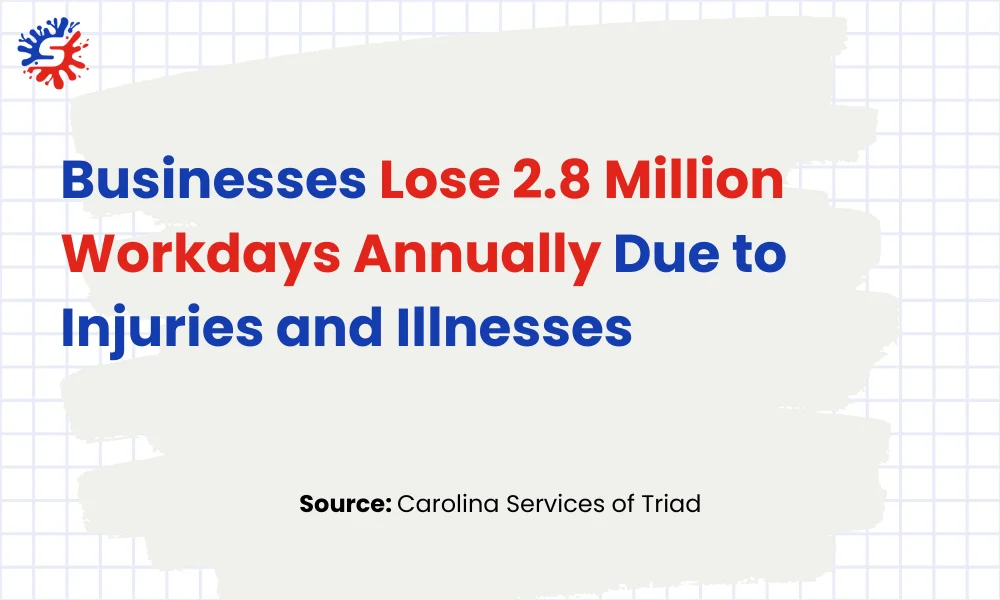
Businesses lose 2.8 million workdays each year due to injuries and illnesses that could be reduced with regular cleaning.
Source: Carolina Services of Triad
Conclusion
The numbers do not lie about the dangers lurking in your office. From keyboards crawling with bacteria to billions lost in absenteeism, ignoring workplace hygiene is a costly mistake.
Professional cleaning is the only way to reliably eliminate these unseen threats and protect your staff. If you want to transform your workspace from a hazard into a productivity powerhouse, contact Spark Clean Australia for a comprehensive quote today.
Frequently Asked Questions
Find quick answers to booking, payments, pet-friendly policies, deep cleaning, and more. Our team is dedicated to making the process effortless and transparent. If you have additional questions, we're here to help ensure a seamless experience.
Get In Touch