Why Businesses Should Follow a Colour Coding System for Cleaning
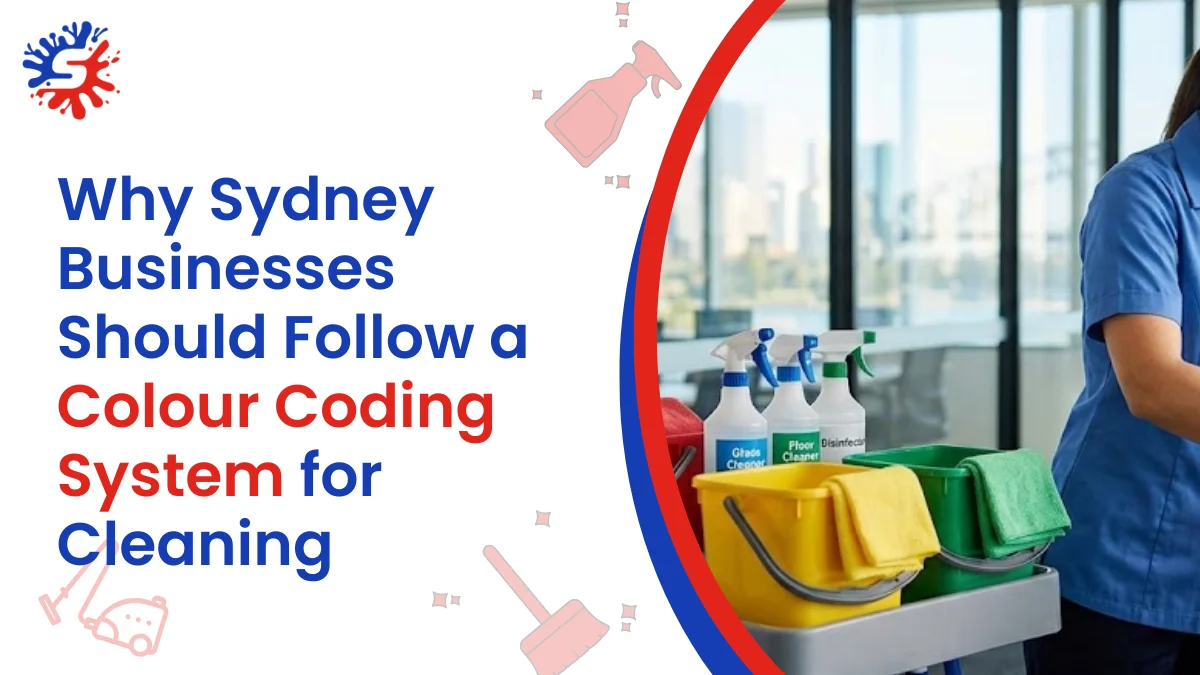
Cross-contamination is occurring due to improper cleaning practices, such as using the same cloth to wipe the kitchen bench after it has touched the toilet floor, or spreading bacteria from the washroom across the reception desk with a shared mop. Furthermore, the use of incorrect chemical agents is causing irreparable damage to surfaces such as marble countertops, which are sensitive to products they were never intended to come into contact with.
Cleaning chemicals colour coding system is a globally recognised cleaning management framework, mandated in healthcare settings, recommended across all commercial sectors. It is built on a single, powerful principle: the right chemical, used on the right surface, by the right procedure, using the right colour-coded equipment.
Key Takeaways
- Eliminate the risk of spreading pathogens from restrooms into sensitive food preparation or public areas
- Prevent permanent chemical etching and structural degradation of expensive surfaces like marble and stone
- Build a transparent and documented workflow that simplifies meeting health and safety inspection requirements
- Ensure that cleaning agents actually reach required pathogen kill thresholds rather than just removing visible soil
- Replace subjective habits with a consistent and repeatable system to guarantee uniform hygiene across the facility
- Reduce workplace safety hazards and legal liabilities by standardizing how chemicals are handled and applied
The Problem That a Colour Coding System Solves
Before looking at the system itself, it helps to be specific about the problem it exists to solve. Cross-contamination in commercial cleaning is an active, ongoing transfer of pathogens from high-risk surfaces to low-risk surfaces.
The most common and the most dangerous version of this is the toilet-to-kitchen pathway. A mop used to clean a bathroom floor can carry enteric bacteria, including E. coli, and potentially MRSA into the kitchen or food preparation area when reused without colour restriction. In Australia, more than 4.1 million cases of food-borne illness occur every year, with over 31,000 resulting in hospitalisation. A significant proportion of those cases are directly attributable to cross-contamination between cleaning zones.
The secondary problem is chemical incompatibility at the surface. Using the wrong cleaning product on a surface not only fails to clean it but also destroys it.
The distinction between wiping a surface and actually achieving a hygienic outcome is at the heart of this: without the right product used correctly in the right zone, the effort put into cleaning does not produce the hygiene result that staff and clients expect.
The Six Chemicals: What Each One Does and Where it Goes
The colour coding system begins with chemistry. Every surface type requires a specific chemical designed for the soil type and material it is cleaning. Using the wrong chemical either fails to clean, damages the surface, or creates a safety hazard. The six chemicals in the standard system cover every surface in any commercial facility.
Neutral Detergent (Colour Code: Blue)
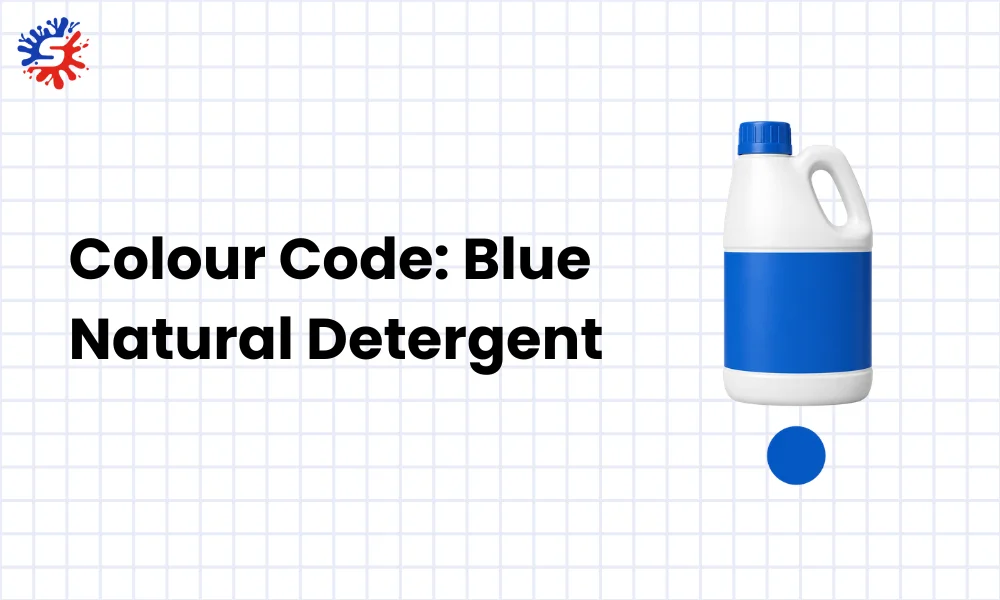
Neutral detergent is a general-purpose, low-hazard cleaning product designed for routine maintenance of surfaces that are neither heavily soiled nor biologically contaminated. It is safe for routine mopping, damp wiping, and surface cleaning across a wide range of materials.
-
Suitable surfaces: Tiles, vinyl floors, marble, painted surfaces, furniture, glass
-
Uses: Removes light dirt and dust, used for damp mopping and wiping between deep clean cycles
-
Key property: pH-neutral formula prevents surface damage across a wide range of materials, including those that would be damaged by alkaline or acid products
-
What it does not do: It does not disinfect. A surface cleaned with neutral detergent may look clean but has not had its microbial load reduced to a safe threshold
Neutral detergent removes visible soil and does not kill bacteria. In areas where disinfection is required, such as bathrooms and kitchens, it must be followed by or replaced with the appropriate disinfectant. Our kitchen hygiene statistics document what remains on kitchen surfaces when cleaning agents fail to meet pathogen-kill claims.
Degreaser (Colour Code: Yellow)
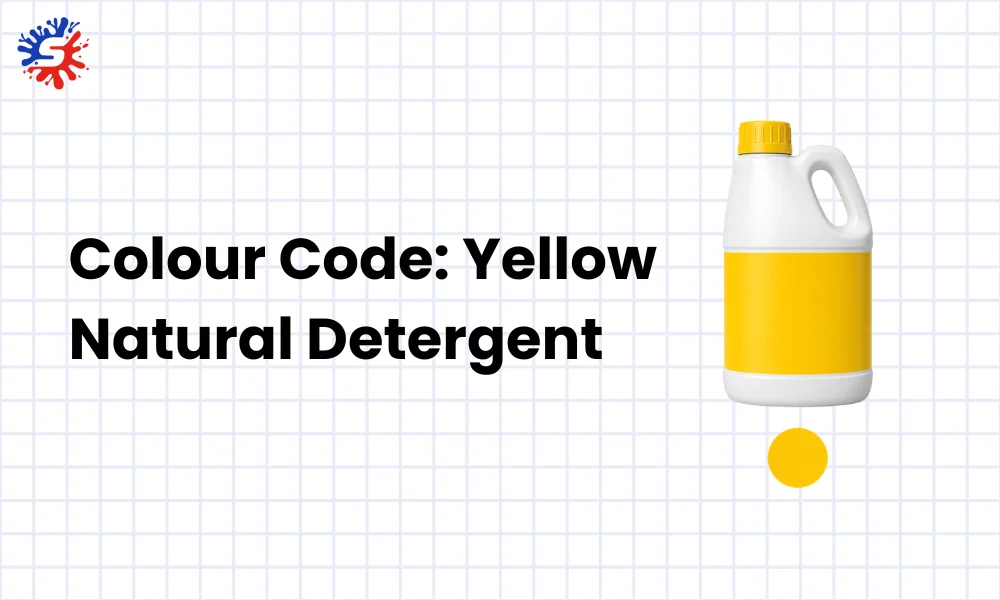
Degreaser is a heavy-duty cleaning agent designed specifically to break down oil, grease, and heavy organic deposits on surfaces. These chemicals are used when a standard neutral detergent has no meaningful effect. In commercial facilities, it is the product of the kitchen and the loading dock, not the office.
-
Suitable surfaces: Kitchen floors, stainless steel cooking equipment, industrial equipment, exhaust hoods, heavy-use food preparation surfaces
-
Uses: Breaks down grease and oil deposits, used for deep cleaning rather than routine maintenance
-
Key property: Alkaline chemistry that saponifies (converts) fats and oils into water-soluble compounds that can be rinsed away
-
What to watch: Alkaline products can damage aluminum surfaces and should not be used on polished stone or delicate finishes; always check the SDS before applying to an unfamiliar surface
In a typical pub or restaurant, the kitchen exhaust hood, range surface, and grease trap area are all degreaser zones. Using a neutral detergent in these areas produces a surface that looks wiped but remains biologically active with fat and protein deposits.
Disinfectant and Sanitiser (Colour Code: Red)
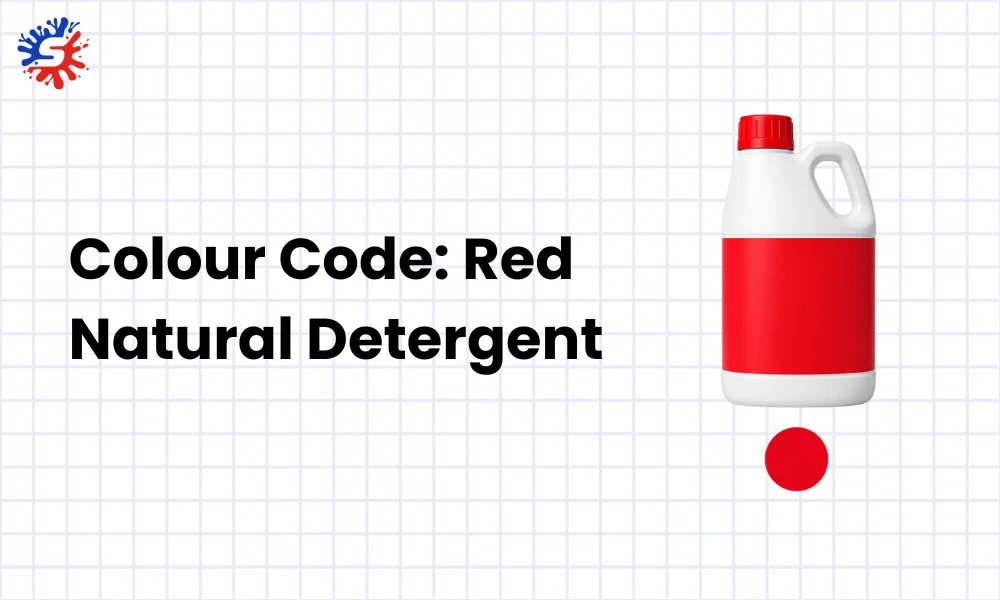
Disinfectant and sanitiser is the highest-biological-priority product in the system. It is used specifically on surfaces where pathogen reduction to a safe threshold is required. In Australia, products making antimicrobial efficacy claims must be registered with the Australian Pesticides and Veterinary Medicines Authority (APVMA).
-
Suitable surfaces: Toilets, washroom surfaces, door handles, high-touch areas, food contact surfaces in commercial kitchens (food-safe sanitiser)
-
Uses: Infection control, sanitising surfaces between uses, targeting high-touch cross-contamination points
-
Key property: Achieves a defined log reduction in bacterial count (typically 3 to 6 log) at the specified concentration and contact time
-
Critical requirement: Contact time must be achieved. Most TGA-registered disinfectants require 30 to 60 seconds of wet surface contact. A quick spray-and-wipe does not reach the pathogen kill threshold
Consumer 'antibacterial' sprays from supermarkets are not equivalent to APVMA-registered commercial disinfectants.
Glass Cleaner (Colour Code: Green)
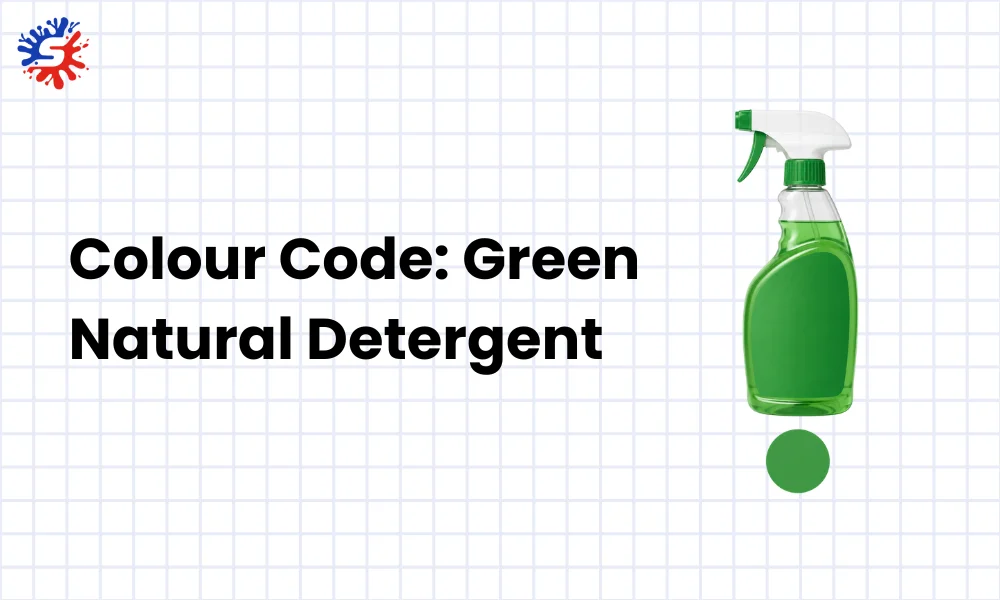
Glass cleaner is a specialist product formulated to dissolve fingerprints, smudges, and atmospheric deposits from glass and reflective surfaces without leaving streaks. It is used in the general area cleaning zone and is not appropriate for any surface other than glass and polycarbonate.
-
Suitable surfaces: Windows, mirrors, glass doors, glass partitions, polished glass furniture tops
-
Uses: Removes fingerprints and smudges, provides streak-free finish for daily presentation cleaning
-
Key property: Surfactant-based formula that breaks surface tension on glass, allowing contaminants to be wiped away without residue
-
What to avoid: Most consumer glass cleaners are ammonia-based. Applied to LCD screens, touchscreen cardio equipment, or polycarbonate display covers, it clouds the surface and voids the manufacturer warranty
For Sydney CBD offices with floor-to-ceiling glass frontages, the connection between clean, well-presented commercial glass surfaces and client first impressions is direct. A smeared or streaked glass surface at reception is the first thing a client sees and one of the fastest negative signals a commercial space can send.
Acid and Toilet Cleaner (Colour Code: Purple / Red)
Acid and toilet cleaner is the high-potency specialist product used for removing mineral scale, rust staining, limescale deposits, and stubborn biological staining from ceramic and porcelain surfaces. It is the most chemically hazardous product in routine commercial cleaning and requires the strictest surface and material restrictions.
-
Suitable surfaces: Toilet bowls, urinals, ceramic basin surfaces where scale removal is required
-
Uses: Removes hard water scale, rust deposits, and mineral staining from ceramic surfaces
-
Key property: Acid chemistry that dissolves calcium carbonate (limescale) and iron oxide (rust) deposits through chemical reaction
-
What it must never touch: Marble, granite, natural stone, metal surfaces, stainless steel, polished chrome; acid will permanently etch, dissolve, or discolour all of these surfaces on contact
A single application of acid cleaner to a marble bathroom surface creates permanent etching that no polish or repair can fully restore. In a Sydney office or hotel with high-specification stone bathrooms, the replacement cost of a damaged marble surface significantly exceeds the cost of years of cleaning service fees.
Carpet Shampoo (Colour Code: Orange)
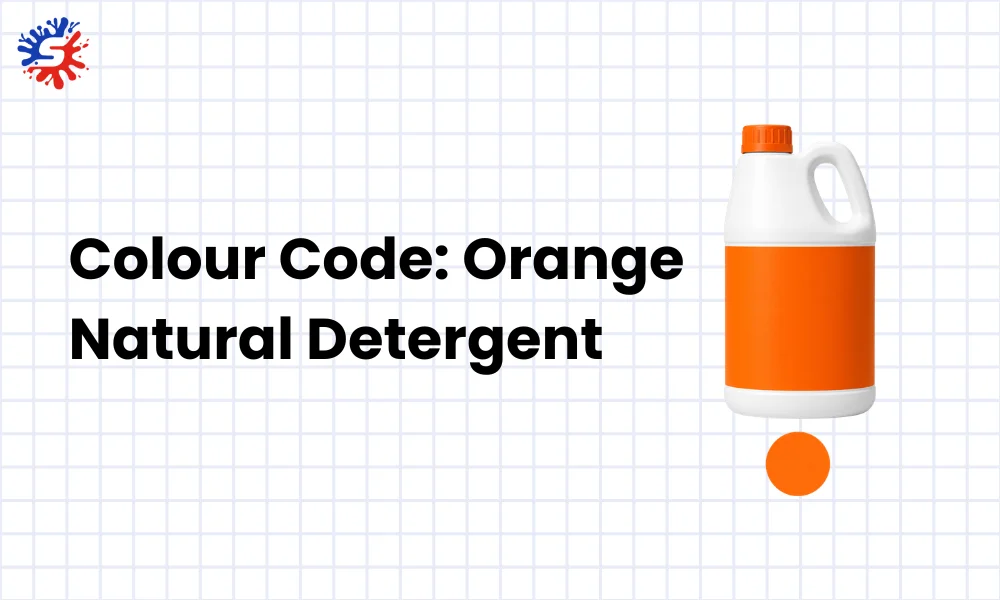
Carpet shampoo is a specialist product formulated for use on textile surfaces, specifically carpet, rugs, and upholstered furniture. It is pH-balanced to prevent fiber damage and contains surfactants and defoaming agents designed for use in extraction systems.
-
Suitable surfaces: Commercial carpet, area rugs, fabric upholstery on chairs and lounges
-
Uses: Deep cleaning of carpet pile to remove embedded soil, staining, and bacteria from the carpet underlay
-
Key property: Low-foaming formula that can be effectively extracted by hot water extraction equipment without residue build-up that would attract new soiling
-
What to watch: Carpet shampoo is not a substitute for hot water extraction in high-contamination areas; it manages surface staining but does not reach the microbial load living deep in the carpet pile without proper extraction equipment and technique
The Five Colour-Coded Areas: No Cross-Contamination
The chemical colour coding covers what product to use. The area colour coding covers where to use it and, critically, ensures that the equipment used in one zone never enters another.
This is where cross-contamination is physically prevented. Every cloth, every mop, every bucket, every glove is assigned a colour. That colour does not move between zones. If an item from a red zone is found in a green zone, it is disposed of immediately, not returned to service.
|
Colour |
Zone |
What it covers |
|
RED |
Toilets and Washrooms |
All bathroom and washroom equipment: mops, cloths, buckets, and gloves. Highest-risk zone for pathogen transmission. Equipment from this zone never enters any other area under any circumstances. |
|
BLUE |
General Areas |
Offices, corridors, reception, meeting rooms, lobbies, and any general-use space that does not involve food preparation or washroom surfaces. |
|
GREEN |
Food Preparation Areas |
Kitchens, bar food preparation surfaces, canteen areas, and any surface that contacts food or food-contact equipment. FSANZ Standard 3.2.3 specifically governs cleaning in these zones. |
|
YELLOW |
Clinical and Touch-Point Areas |
High-touch surfaces requiring elevated disinfection protocols: lift buttons, door handles, shared technology, clinical spaces, and any surface with concentrated multi-person contact. |
|
BLACK |
External and Dirty Areas |
External bin areas, loading docks, car parks, heavily soiled industrial zones, and any area with contaminated waste. Equipment from this zone is disposed of or fully decontaminated before re-entering the building. |
What Happens When the Zones are not Respected
The practical consequence of not having a colour coding system is not theoretical. It plays out in commercial facilities every day, producing outcomes ranging from mildly problematic to legally and financially significant.
The Toilet-to-Kitchen Pathway
The most dangerous cross-contamination scenario in any commercial facility is cleaning equipment moving from the washroom zone to the food preparation zone. A mop used to clean a bathroom floor and then used in the kitchen does not just carry water. It carries fecal-origin bacteria, including enteric pathogens, and potentially E. coli from the bathroom environment directly onto food-preparation surfaces.
The High-Touch Zone Spreading Problem
Without yellow zone designation for high-touch surfaces, the equipment used to clean door handles, lift buttons, and shared technology after cleaning a general floor area carries whatever was on that floor across every person-contact surface in the building. Our analysis of what accumulates on high-touch surfaces in Sydney offices across a working day makes the contamination picture clear.
The Chemical Surface Damage Problem
Without a chemical colour coding system, cleaning staff use whatever product is available to them. In practice, this means a general-purpose spray is used on marble, a toilet cleaner is applied to a kitchen drain, and a bleach-based product is used on rubber gym flooring. Each of these combinations causes damage that is visible within weeks and irreversible without replacement.
The Most Costly Chemical-Surface Mismatches in Sydney Commercial Spaces
-
Acid cleaner on marble or natural stone, permanent etching visible within minutes, irreversible without surface replacement
-
Bleach on rubber flooring or vinyl upholstery; bleaching, cracking, and structural degradation; voids manufacturer warranty
-
Ammonia-based glass cleaner on polycarbonate or LCD screens: Permanent clouding and screen coating destruction
-
Undiluted concentrated disinfectant on painted or coated surfaces; surface stripping and discolouration
-
Degreaser on polished stone, alkaline etching of calcium-based stone surfaces
-
Carpet shampoo without extraction on commercial carpet: residue build-up that attracts re-soiling faster than the original contamination
How to Implement the System in Your Sydney Business
The colour coding system is straightforward to introduce. It does not require new building infrastructure, specialist equipment beyond coloured cloths and buckets, or a major budget revision. What it requires is a structured approach to implementation and a commitment to training that makes the system a habit rather than a policy.
Step 1: Map Your Zones
Walk through your facility and identify which spaces belong to each colour zone. A Sydney CBD office will typically have a red zone (bathrooms), a blue zone (open-plan, meeting rooms, reception), a green zone (kitchen and break room), and a yellow zone (high-touch surfaces, including entry doors, lift buttons, and shared technology). The external zone applies to bin areas and building entry.
Step 2: Stock the Right Products
For each zone, identify the appropriate chemical product from the six categories. Ensure all products are APVMA-registered where disinfection is required, and that their SDSs are held on site and accessible to all cleaning staff. Specify the correct dilution ratio for each product and mark this on the storage container.
Step 3: Assign Coloured Equipment
Purchase colour-coded cloths, mops, mop heads, buckets, and gloves in the five area colours. Label the storage location for each colour. Implement a rule that equipment from any zone is not transported into another zone under any circumstances, and that any item found in the wrong zone is disposed of immediately and not returned to service.
Step 4: Train Every Member of the Cleaning Team
Training is where the system becomes culture rather than compliance. When your cleaning team understands why they use the right chemical on the right surface with the right colour equipment, compliance becomes a professional standard rather than a rule to be followed only when supervised.
Step 5: Document and Verify
A system that is not documented is not a system. Record the chemicals used in each zone, the completion of each cleaning task, and any instances where equipment was found in the wrong zone. The commercial cleaning services audit framework covers how to build a verification process around a colour coding system and what to check in quarterly walk-through audits.
What a Professional Cleaning Contract Should Provide
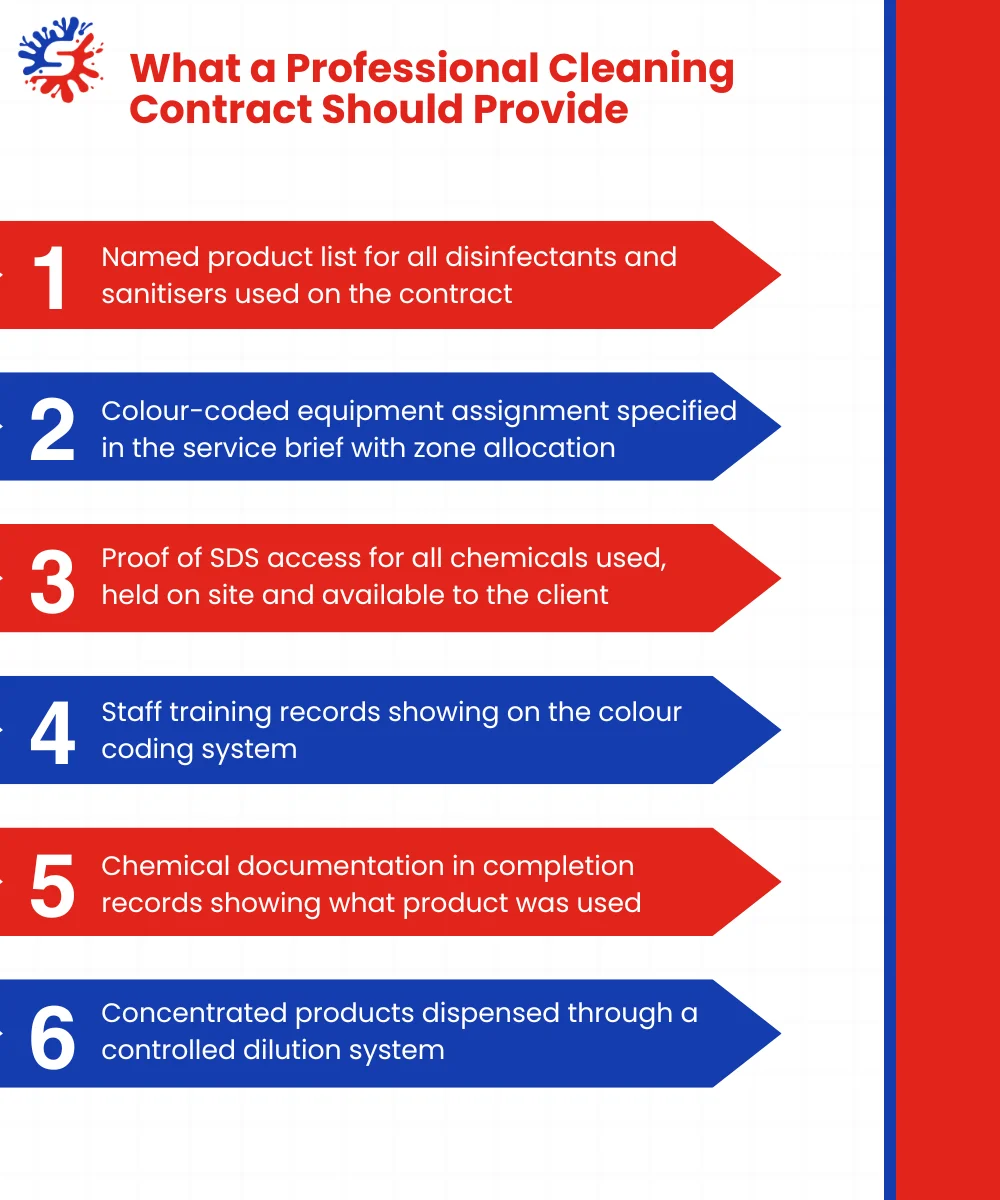
A Sydney business that engages a professional commercial cleaning provider should not need to design and implement the Colour coding system from scratch. A properly structured commercial cleaning contract includes this as a baseline standard.
What to look for in a provider's approach to chemical and colour coding:
The broader picture of what best-practice commercial cleaning across Sydney offices and commercial facilities involves at every level is detailed in our guide for Sydney business managers.
Conclusion
Only 3 in 10 Australian businesses currently follow correct cross-contamination prevention practices. The other 7 are running a commercial cleaning program that looks like it is working and may not be protecting what it should. Contact Spark Clean Australia to discuss how this system is embedded in our commercial cleaning contracts across Sydney CBD offices, hospitality venues, gyms, and medical facilities.
Every contract we hold includes a colour-coded zone assignment, APVMA-registered products appropriate to each area, SDS documentation on site, trained staff who understand the WHY behind the system, and completion records that document what was used, where, and when. You can explore our approach in full through our commercial cleaning service for Sydney businesses.
Frequently Asked Questions
Find quick answers to booking, payments, pet-friendly policies, deep cleaning, and more. Our team is dedicated to making the process effortless and transparent. If you have additional questions, we're here to help ensure a seamless experience.
Get In Touch